Is November a Good Time to Visit Tanzania for a Safari?
If you are planning a safari and wondering whether November is a good time to visit Tanzania, the answer is usually yes. The parks begin to change with the arrival of the short rains, the landscape becomes greener, and there are fewer visitors in some areas compared with the busiest travel months.
But is November really a good time to visit Tanzania for a safari?
Yes, November Is a Good Time to Visit Tanzania for a Safari, especially if you enjoy green landscapes, rewarding wildlife viewing and a somewhat quieter atmosphere. However, the experience depends on which parks you visit, how long you have, and what you hope to see.
At Afromasai Eastern Safaris, based in Arusha, we help travellers plan safaris around their interests, travel dates and budget. Here is what you should know before deciding whether November is the right month for your trip.
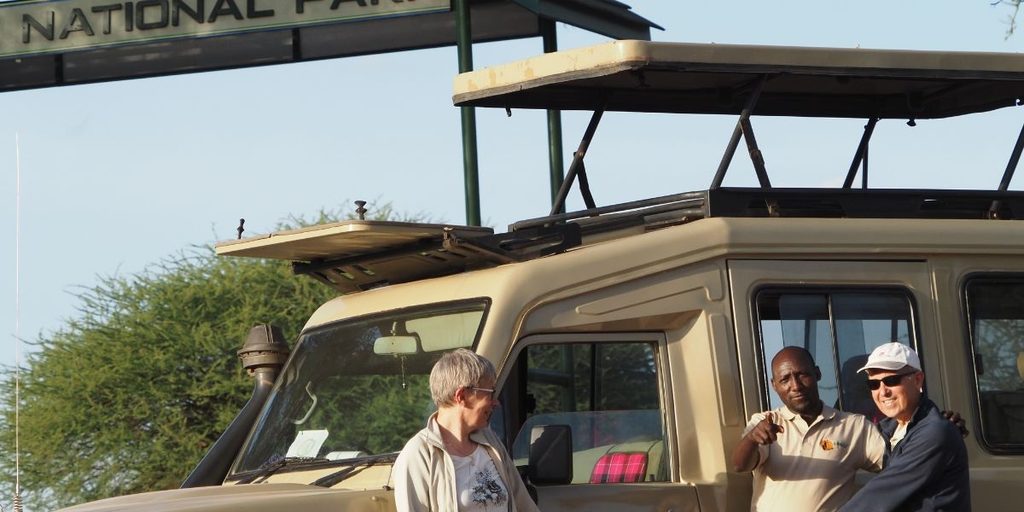
What Is Tanzania Like in November?
November falls within Tanzania’s short rainy season, which generally occurs around October and November. Rainfall varies from year to year and between regions, so you may experience sunny days, short afternoon showers or occasional heavier rain.
The first rains bring new life to the landscape. Dry grass begins to turn green, trees become fresher, and the countryside takes on a different appearance from the dusty scenery of the dry season.
For photographers, this can be a wonderful time to visit. Green vegetation, dramatic skies and soft morning light can create beautiful scenes, particularly across the open plains and woodland areas.
The rain does not necessarily mean that your safari will be wet all day. Showers can be brief, although longer periods of rain are possible. It is best to come prepared for changing conditions rather than expect uninterrupted sunshine.
Which National Parks Should You Visit in November?
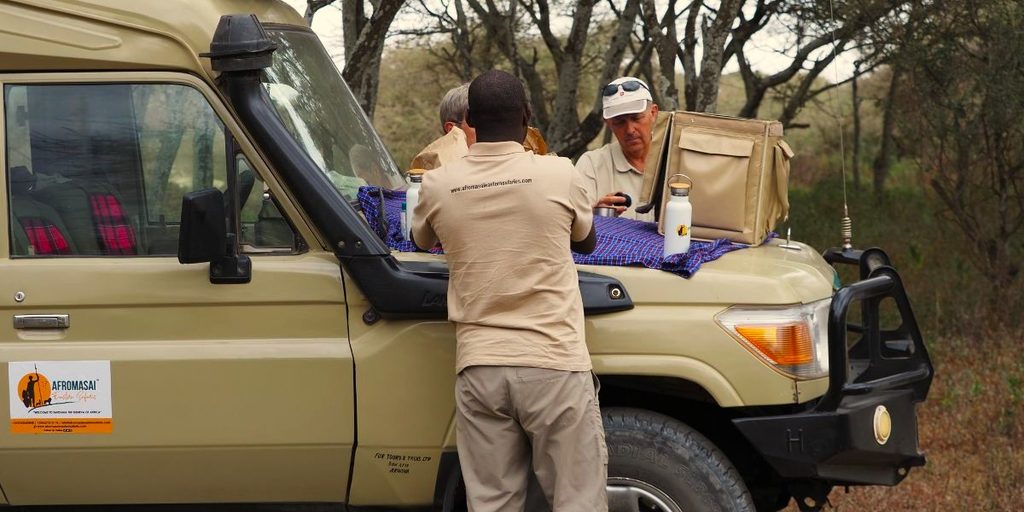
Tanzania has several excellent national parks, but they offer different experiences. For a November safari, the northern circuit is a practical choice for many travellers, particularly those arriving through Kilimanjaro International Airport or starting their trip in Arusha.
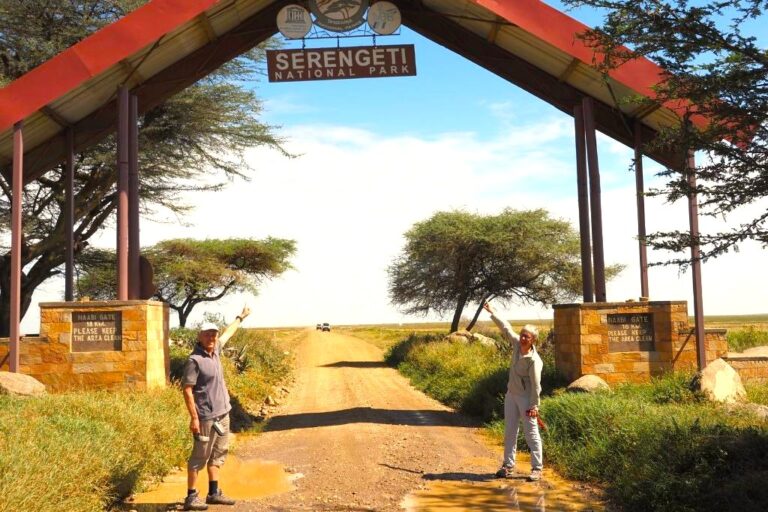
1. Serengeti National Park: Wildlife Across the Plains
The Serengeti is one of Tanzania’s most famous safari destinations, known for its vast grasslands, large herds of grazing animals and predators such as lions, cheetahs and leopards. Park entry fees and rules are set by Tanzania National Parks (TANAPA).
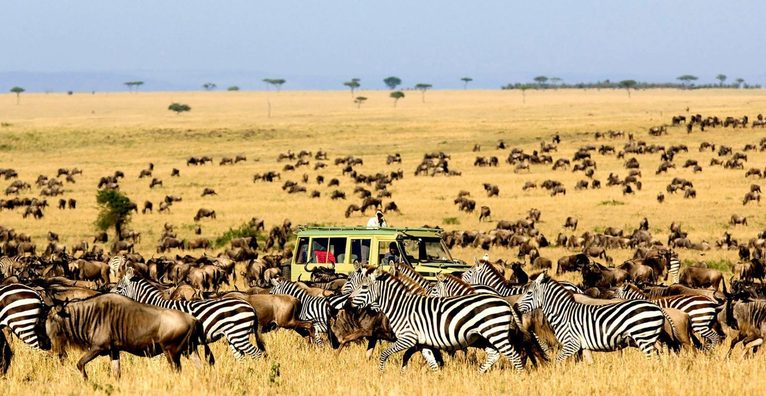
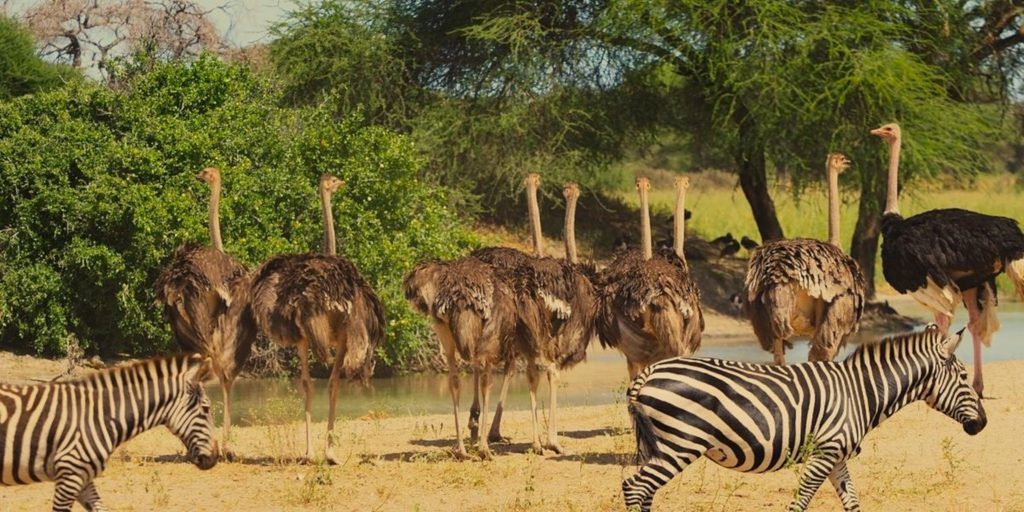
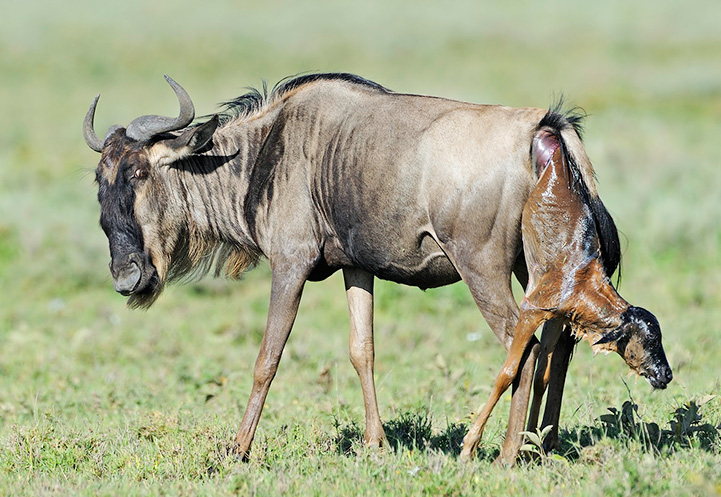
November is an interesting time to visit because the seasonal rains can influence the movement of wildebeest and zebra. Herds often move towards the southern Serengeti and the Ndutu area as the short rains begin, although their exact location depends on rainfall and grazing conditions.
This seasonal movement is part of the wider Great Migration, one of Africa’s most remarkable wildlife events.
If witnessing the migration is important to you, it is worth discussing your travel dates with your safari operator before booking. Wildlife does not follow a fixed calendar, and the location of the herds cannot be guaranteed.
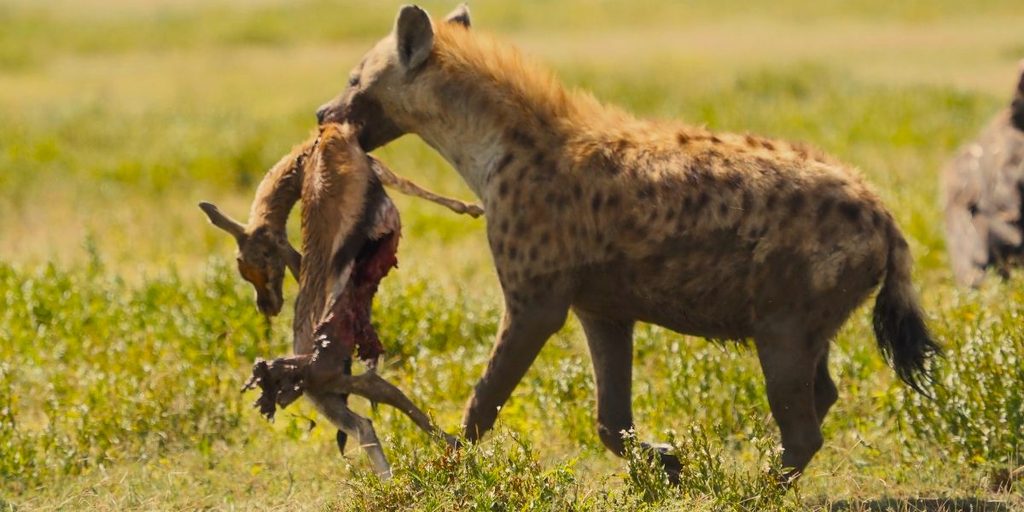
Even without the migration, the Serengeti offers opportunities to search for lions, elephants, giraffes, buffaloes, hyenas and many other animals. Your guide will help you explore the areas that make the most sense for the conditions during your visit.
Our advice: If you have enough time, consider spending at least two nights in the Serengeti rather than rushing through the park in a single day. The distances are considerable, and additional time gives you more opportunities to explore different areas.
2. Ngorongoro Crater: A Remarkable Place for Wildlife Viewing
The Ngorongoro Crater is a popular choice for travellers who want to see a wide range of wildlife within a relatively compact area. The crater is part of the Ngorongoro Conservation Area UNESCO World Heritage Site.
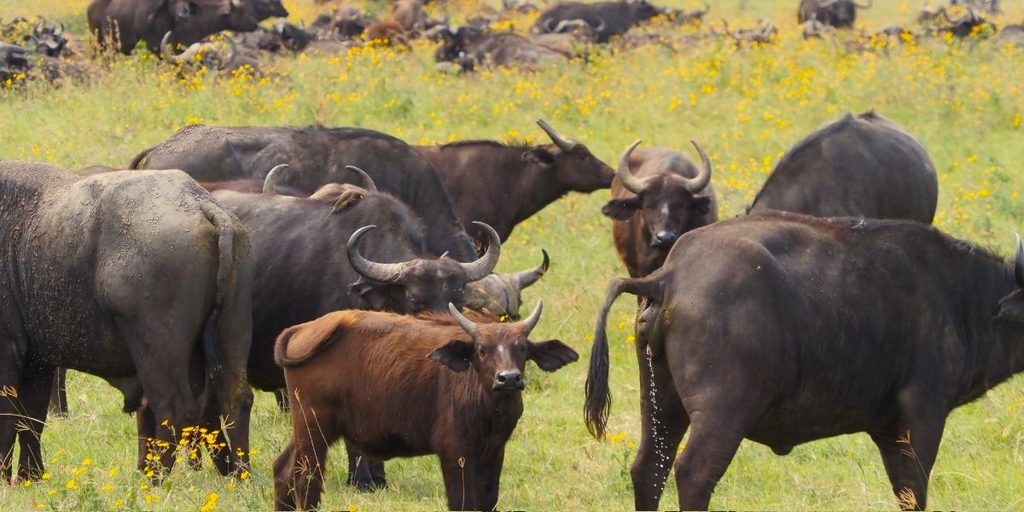
Its crater floor supports populations of zebra, wildebeest, buffaloes, elephants, lions and other animals. Black rhinoceroses also live in the conservation area, although sightings are never guaranteed.
November’s changing weather can bring fresh colours to the surrounding highlands and crater landscape. Clear mornings may offer beautiful views, while mist and rain can sometimes reduce visibility.
The crater can be visited throughout the year, making it a useful addition to a November itinerary.
If seeing a rhinoceros is high on your wish list, tell your guide in advance. Your guide can look for suitable opportunities, but wildlife sightings always depend on animal movements and conditions on the day.
Our advice: Combine Ngorongoro Crater with the Serengeti or Tarangire for a more varied safari. Each destination has its own landscape and wildlife experience.
3. Tarangire National Park: Elephants and Ancient Baobabs
Tarangire is known for its elephant herds, iconic baobab trees and varied wildlife. During the dry season, the Tarangire River is an important water source, attracting animals from surrounding areas.
When the rains arrive, water and fresh grazing become available in more places. Some animals may disperse beyond the river valley, which can change where wildlife is found.
That does not make Tarangire a poor choice in November. The park remains worth considering for its scenery, elephants, birds and other wildlife. However, sightings and animal concentrations vary with conditions.
Tarangire can also be a good option for travellers who have only a few days in Tanzania and want to experience a national park without travelling all the way to the Serengeti.
Our advice: If you are planning a short safari from Arusha, Tarangire can work well as part of a two or three day itinerary. You can also combine it with Ngorongoro if you have more time.
4. Lake Manyara National Park: Forests, Birds and Rift Valley Scenery
Lake Manyara National Park offers a different experience from the open plains of the Serengeti.
The park includes groundwater forests, woodland, grassy areas and the lake itself. Depending on conditions, visitors may encounter elephants, giraffes, buffaloes, baboons and a variety of bird species.
November can be particularly interesting for birdwatchers as migratory birds begin arriving in East Africa. The number and variety of birds around the lake depend on water levels, season and local conditions.
Lake Manyara is also known for its tree climbing lions, although they are not seen on every visit.
The park is often included in northern Tanzania itineraries alongside Tarangire and Ngorongoro. It can be a useful addition if you want to experience different habitats during your trip.
Can You See the Great Migration in November?
Yes, November can be a good time to look for the Great Migration in the southern Serengeti and Ndutu area.
The migration involves the movement of wildebeest, zebra and other grazing animals across the Serengeti ecosystem in search of fresh grass and water. As seasonal rains develop, herds often begin moving towards the southern plains, where conditions can become favourable for grazing.
However, the migration is not a scheduled event. The herds may arrive earlier or later depending on rainfall, and their location can change from one week to the next.
If the Great Migration is the main reason for your visit, we recommend planning your itinerary around the possibility of spending time in the southern Serengeti and Ndutu area. Your route should also allow some flexibility where possible.
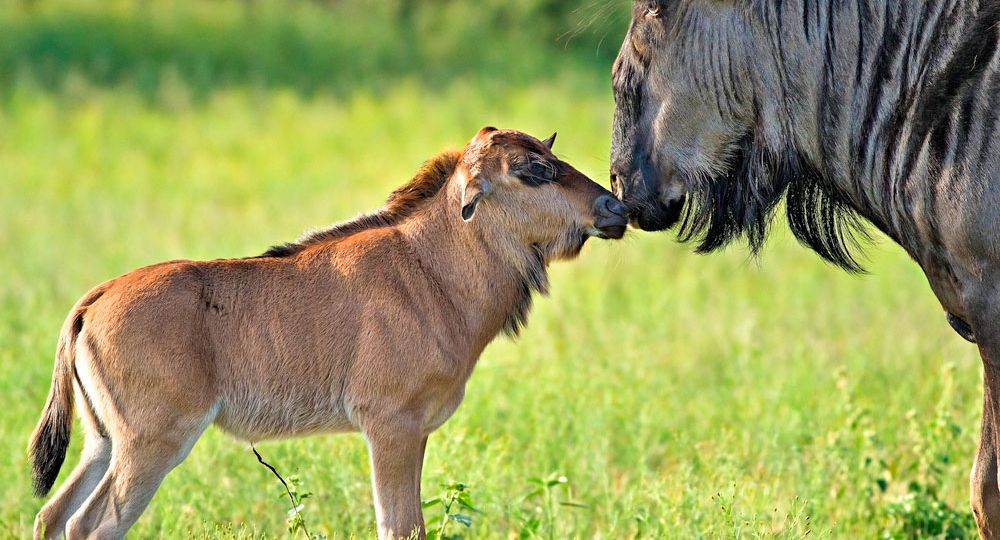
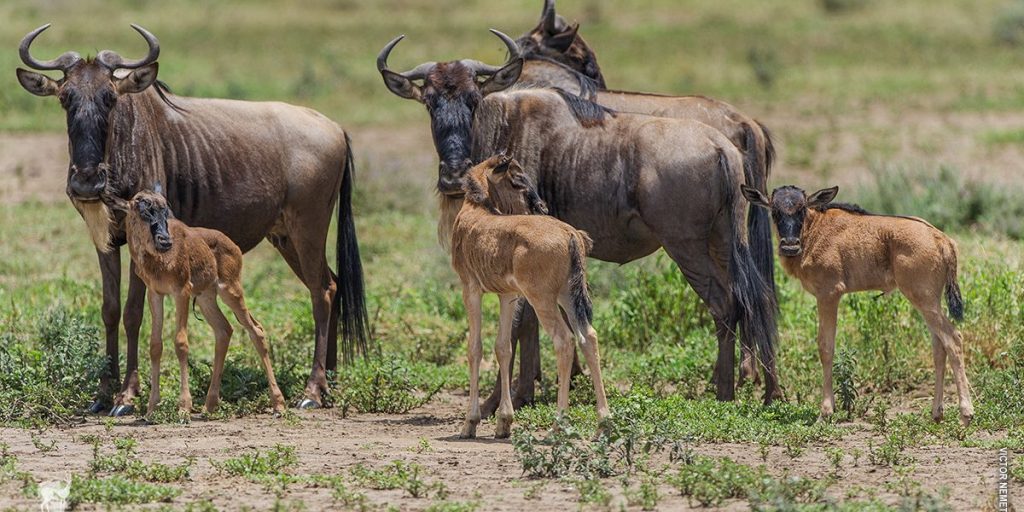
The famous wildebeest calving season generally takes place later, around January and February, although exact timing varies.
For November travellers, the appeal is the chance to experience the herds moving through the ecosystem, enjoy the changing scenery and search for predators that follow the grazing animals.
Is November a Good Month to See Lions, Cheetahs and Rhinos?
If these are the animals you most want to see, November can still be a rewarding time for a safari.
Lions: Lions live in several northern Tanzania parks, including the Serengeti, Ngorongoro and Tarangire. Their movements and visibility vary, but experienced guides know how to search for signs of activity.
Cheetahs: The open plains of the Serengeti provide suitable habitat for cheetahs. Sightings depend on where the animals are spending their time, so allow enough time in the park if cheetahs are a priority.
Black rhinoceroses: Ngorongoro Conservation Area is one of the main places to look for black rhinos on a northern Tanzania safari. They are not easy to spot on every visit, and sightings cannot be promised.
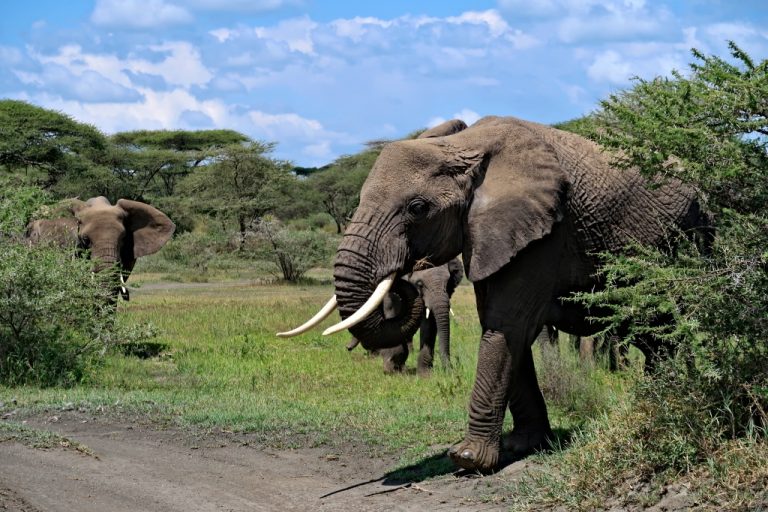
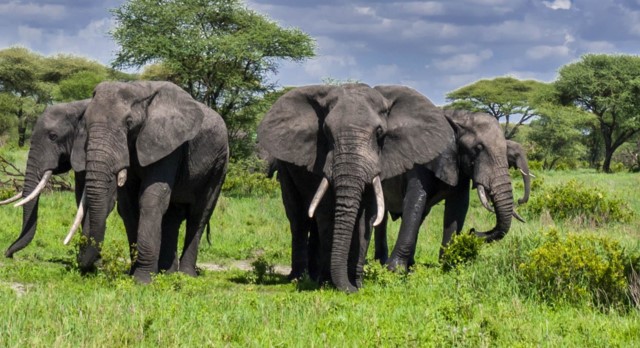
Elephants: Tarangire and Serengeti are both worth considering for elephant sightings, while elephants can also be found in the Ngorongoro area.
One important point: no responsible safari operator can guarantee that you will see every animal on your list. Wildlife moves freely, and sightings depend on many factors. A knowledgeable guide, a well-planned route and enough time in the parks can improve your opportunities.
Why November Is a Good Time to Visit Tanzania: The Advantages
There are several reasons to consider a November safari.
Greener Scenery and Excellent Photography Opportunities
The arrival of rain transforms many parts of Tanzania. Green grass, fresh foliage and dramatic skies provide a different photographic experience from the dry season.
If you enjoy landscape photography as much as wildlife photography, November can be particularly appealing.
A Different Safari Atmosphere
July through October is a popular period for many northern Tanzania safaris. November can be quieter in some locations, although visitor numbers vary by park, dates and accommodation.
This may mean a different atmosphere during your trip, but it does not guarantee that every park or lodge will be less busy.
Interesting Birdlife
The arrival of migratory birds makes November an attractive month for birdwatchers. Tanzania already has impressive resident birdlife, and seasonal visitors add further variety.
Opportunities to Plan Around Your Budget
November is not automatically cheaper than other months. Prices depend on accommodation, park fees, itinerary, availability and the exact dates of travel.
However, travellers with some flexibility may find suitable accommodation and safari arrangements by comparing different dates and options.
If you are working with a particular budget, ask for a detailed quote that explains what is included rather than comparing prices alone.
What Are the Disadvantages of a November Safari?
November is not perfect for everyone, and it is important to understand the possible challenges before booking.
Rain Can Affect Game Drives
Rain may make some roads muddy or slippery, and driving times can occasionally be longer than expected. Conditions differ between parks and can change quickly.
This is one reason why a well-planned itinerary matters. Allowing sufficient time between destinations can help avoid a trip that feels rushed.
Wildlife May Be More Dispersed
As water and grazing become available in more areas, animals may spread out rather than gather around a few remaining water sources.
You can still have excellent wildlife sightings, but finding particular animals may require patience and more driving.
Cloud and Rain Can Affect Photography
November can bring beautiful light and dramatic skies, but heavy cloud or rain may sometimes limit visibility.
If you are travelling mainly for photography, bring suitable protection for your equipment and be prepared to adapt to the weather.
Not Every Safari Camp Is in the Same Condition
Access, facilities and services vary by property. Some camps and lodges may have seasonal operating arrangements, so confirm that your chosen accommodation will be open during your travel dates.
Before booking, ask about the location of the accommodation, the expected driving distances and whether the proposed itinerary is suitable for the seasonal conditions.
What Should You Pack for a Tanzania Safari in November?
You do not need to pack for constant rain, but it is sensible to prepare for changing weather.
We recommend bringing:
- Lightweight clothing that is comfortable in warm weather.
- A waterproof jacket or lightweight raincoat.
- Comfortable walking shoes or sturdy trainers.
- A warm layer for early morning game drives and cooler evenings.
- A hat, sunglasses and sunscreen.
- Insect repellent.
- Binoculars for observing animals and birds.
- A camera or phone with enough storage space.
- Waterproof protection for your camera, phone and other electronics.
- A small day bag for game drives.
Neutral clothing colours such as khaki, brown, green and beige are practical for a safari. You do not need to buy a completely new wardrobe; comfortable clothing that suits the weather is what matters most.
If you are travelling to several destinations, remember that temperatures can differ between the warm lowlands and the cooler Ngorongoro highlands.
How Many Days Do You Need for a November Safari?
The right duration depends on your budget, available time and the parks you want to visit.
Here are three possible starting points for planning a northern Tanzania safari.
2 to 3 Days: A Short Wildlife Experience
If you have limited time, consider Tarangire and Ngorongoro, depending on your arrival and departure arrangements.
This option can provide a rewarding introduction to Tanzania’s wildlife, but travelling between destinations takes time. It is important to choose a route that does not leave you spending most of your holiday on the road.
4 to 5 Days: More Time in the Parks
With four or five days, you have more flexibility to combine destinations such as Tarangire, Serengeti and Ngorongoro.
If the Great Migration is important to you, the route should be planned carefully around your dates and the likely location of the herds.
A longer stay in the Serengeti can provide more opportunities to explore different areas and search for wildlife.
6 to 7 Days: A More Varied Safari
With six or seven days, you can enjoy a more relaxed itinerary and spend longer in selected parks.
A trip might include Tarangire, Serengeti and Ngorongoro, with the route adjusted to suit your interests and accommodation preferences.
You may also be able to add Lake Manyara or spend additional nights in the Serengeti. The best arrangement depends on your priorities, rather than simply trying to visit as many parks as possible.
These are planning suggestions, not fixed packages. Your arrival airport, departure date, travel budget and preferred accommodation will all influence the final itinerary.
Is November Suitable for a Tanzania Safari and Zanzibar Holiday?
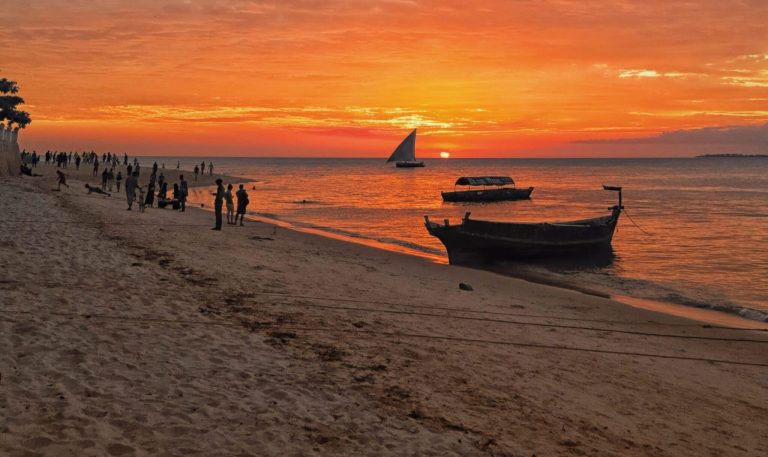
Yes. November can work well for travellers who want to combine a wildlife safari with time on the beach in Zanzibar.
You could spend several days exploring northern Tanzania’s national parks before flying to Zanzibar to enjoy its beaches, coastal scenery and local culture.
Zanzibar can experience short rains during this period, so sunshine is not guaranteed every day. Conditions vary, and it is worth allowing some flexibility in your beach plans.
For travellers with limited time, flying between destinations may be more convenient than returning to the mainland by road and then travelling onwards.
If you are planning both experiences, consider how many nights you want to spend on safari before deciding how much time to leave for Zanzibar.
Should You Choose a Private or Group Safari in November?
Both options can work, but they offer different experiences.
A private safari gives you your own vehicle and guide. You have more control over your schedule, the time you spend at sightings and the pace of your journey. It is a good option for couples, families, photographers and travellers with particular wildlife interests.
A group safari allows you to share the vehicle and certain trip costs with other travellers. It can be a practical choice if you are travelling on a tighter budget, although departure dates, routes and accommodation options may be more limited.
When comparing quotes, check the maximum group size, accommodation type, park fees, meals, transport arrangements and any additional costs.
At Afromasai Eastern Safaris, we can help you compare the options and choose an arrangement that fits your travel plans.
How Much Does a Tanzania Safari Cost in November?
There is no single price for a November safari. The total cost depends on the number of days, parks visited, accommodation standard, group size, transport arrangements and the services included in your package.
Budget camping safaris are generally more affordable than private lodge safaris, while luxury itineraries can cost considerably more.
The number of travellers also matters. On a private safari, some vehicle and guide costs are shared among the people travelling together, so the price per person often changes with group size.
When requesting a quote, make sure you understand whether it includes:
- National park and conservation fees.
- A safari vehicle and professional driver guide.
- Accommodation and meals.
- Airport transfers.
- Drinking water during game drives.
- Any domestic flights included in the itinerary.
Also check whether international flights, travel insurance, tips, drinks and optional activities are excluded.
If you already have a budget in mind, share it with your safari operator. A well-designed itinerary should reflect your priorities and explain where adjustments could make the trip more affordable.
Is November Better Than the Dry Season?
That depends on the kind of experience you want.
During the dry season, especially from around June to October, vegetation is often thinner and animals may be easier to spot in some areas. Wildlife can also concentrate around remaining water sources.
November brings the possibility of greener scenery, seasonal birdlife and movement associated with the short rains. However, rain can affect road conditions, and wildlife may be more spread out in certain areas.
Neither season guarantees better sightings in every park.
If your priority is a particular wildlife event, such as the Great Migration, the location of the animals matters more than choosing a month based on general expectations alone. If your priority is photography, scenery or a quieter style of travel, you may prefer a different set of dates.
The best month is the one that matches your interests, budget and expectations.
Plan Your November Safari with Afromasai Eastern Safaris
November can be a rewarding time to discover Tanzania, from the elephant country of Tarangire to the vast plains of the Serengeti and the remarkable wildlife of Ngorongoro Crater.
The key is to plan around the season rather than expect every day to be the same. Choosing suitable parks, allowing enough time for game drives and preparing for occasional rain can make a real difference to your experience.
At Afromasai Eastern Safaris, we are a locally owned safari company based in Arusha, Tanzania. We organise tailor made and scheduled safaris for travellers who want to explore the country’s wildlife and landscapes with a local team.
Whether you have two or three days available or are planning a longer adventure, we can help you find an itinerary that suits your interests, dates and budget.
Thinking about visiting Tanzania this November?
Contact Afromasai Eastern Safaris to discuss your travel dates, the wildlife you hope to see and the kind of safari you have in mind.
Tell us how many people are travelling, how many days you have and whether you prefer camping or lodge accommodation. We will help you explore the available options and plan your safari.
Afromasai Eastern Safaris
Locally Owned. Globally Trusted.
Arusha, Tanzania
Website: afromasaieasternsafaris.com
Call or WhatsApp: +255 743 542 848
Email: info@afromasaieasternsafaris.com
Frequently Asked Questions
Is November a good time for a first safari in Tanzania?
Yes. November can be a good choice for a first safari if you are comfortable with the possibility of rain and changing road conditions. A well-planned northern circuit itinerary can introduce you to several different landscapes and wildlife habitats.
Does it rain every day in Tanzania in November?
No. November is generally part of the short rainy season in many parts of northern Tanzania, but rainfall varies. You may experience sunny weather, short showers or occasional heavier rain. Conditions can differ from one region to another.
Can I see the Great Migration in November?
You may be able to see migrating wildebeest and zebra in the southern Serengeti or Ndutu area. Their exact location depends on rainfall and grazing conditions, so check the latest information when planning your itinerary.
Can I see the Big Five in November?
November is a possible time to look for the Big Five: lion, leopard, elephant, buffalo and rhinoceros. However, no safari can guarantee sightings of all five. The parks you visit, the time available and the movement of wildlife will influence your chances.
Is November a good time for a budget safari?
It can be. The final cost depends on your dates, accommodation, itinerary and whether you choose a private or shared safari. Compare the full inclusions rather than choosing a trip on price alone. Our Tanzania safari cost guide and best time for Tanzania safaris guide explain how prices change through the year.
Should I book my November safari in advance?
Booking ahead gives you more opportunity to choose your preferred accommodation, route and travel dates. If you are planning to travel soon, it is worth checking availability as early as possible.
Can I combine a November safari with Zanzibar?
Yes. Many travellers combine a northern Tanzania safari with a beach stay in Zanzibar. Allow enough time for transfers or flights between destinations, and remember that Zanzibar can also experience showers in November. See our Zanzibar holidays and the 9-Day Luxury Tanzania Safari and Zanzibar Escape.
Which is better in November, Serengeti or Ngorongoro?
They offer different experiences. The Serengeti is known for its vast plains, predators and seasonal migration, while Ngorongoro is famous for its crater landscape and rich wildlife. If your time and budget allow, combining both can give you a more varied safari.