4 Day Tanzania Safari Itinerary-Tarangire, Serengeti and Ngorongoro
Four days in Tanzania may not seem like much time, but with the right route, you can experience three remarkable safari destinations: Tarangire National Park, Serengeti National Park and the Ngorongoro Crater.
Imagine watching elephants move between ancient baobab trees in Tarangire, spending an afternoon searching the Serengeti plains for lions, then descending into the Ngorongoro Crater, where wildlife lives among grasslands, woodland and freshwater pools. Each destination has its own character, and together they offer a memorable introduction to Tanzania’s northern safari circuit.
This 4 day Tanzania safari itinerary is designed for travellers who want to see as much wildlife as possible within a limited holiday. It combines game drives, scenic journeys and overnight stays in or near the parks.
There is one thing to keep in mind: four days is a relatively short time to visit all three destinations. You will cover considerable distances, particularly between Tarangire and the Serengeti. If you prefer a slower pace or more time searching for wildlife, a five or six day safari may suit you better.
At Afromasai Eastern Safaris, we are based in Arusha and organise safaris around our guests’ interests, travel dates and budgets. Here is what your four day adventure could look like.
At a Glance: Your 4 Day Tanzania Safari
Duration: 4 days and 3 nights
Starting point: Arusha, Tanzania
Destinations: Tarangire National Park, Serengeti National Park and Ngorongoro Crater
Safari style: Private safari or a suitable scheduled group departure
Best for: Couples, friends, families and travellers with limited time
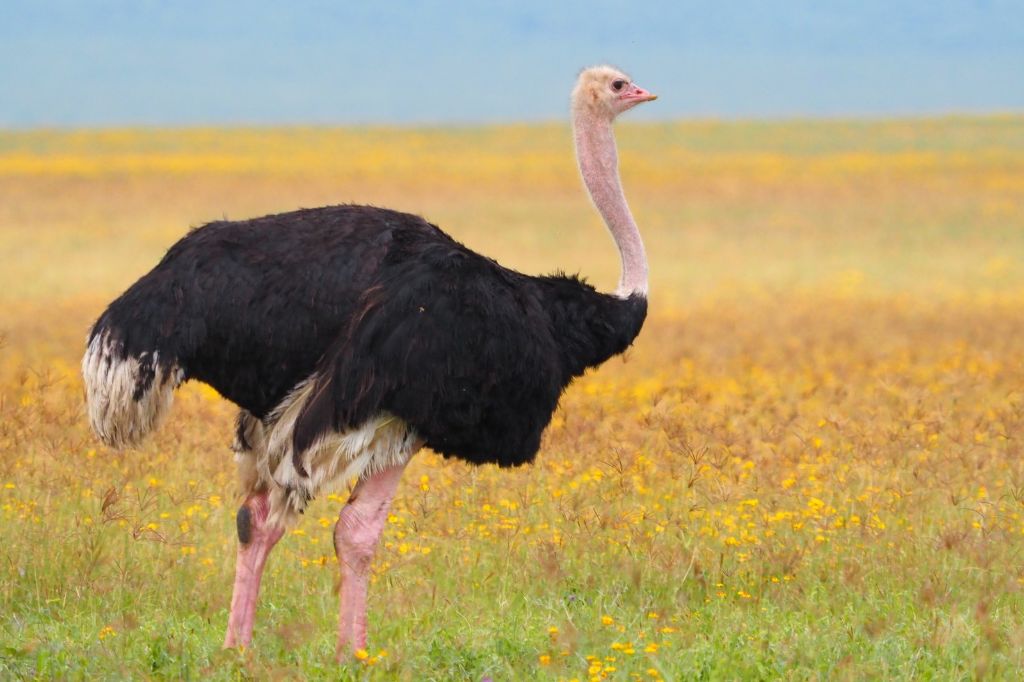
Main wildlife: Elephants, lions, giraffes, zebras, buffaloes, wildebeest and, with luck, leopards, cheetahs and black rhinoceroses
The exact accommodation and route will depend on your budget, travel dates and the availability of suitable lodges or camps.
Day 1: Arusha to Tarangire National Park
Elephants, ancient baobabs and your first game drive
Your safari begins in Arusha, where you meet your professional driver guide before setting off for Tarangire National Park.
The drive usually takes around two to three hours, depending on your starting point, traffic and road conditions. As the town gives way to the countryside, the scenery changes and the excitement of your first game drive begins to build.
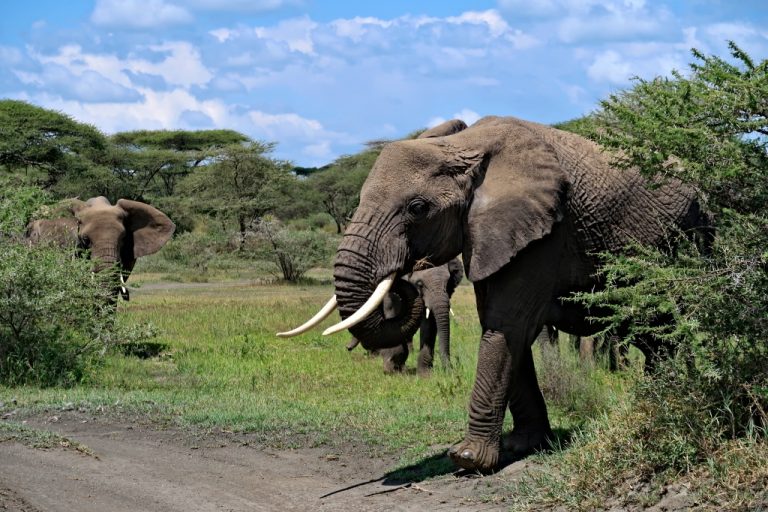
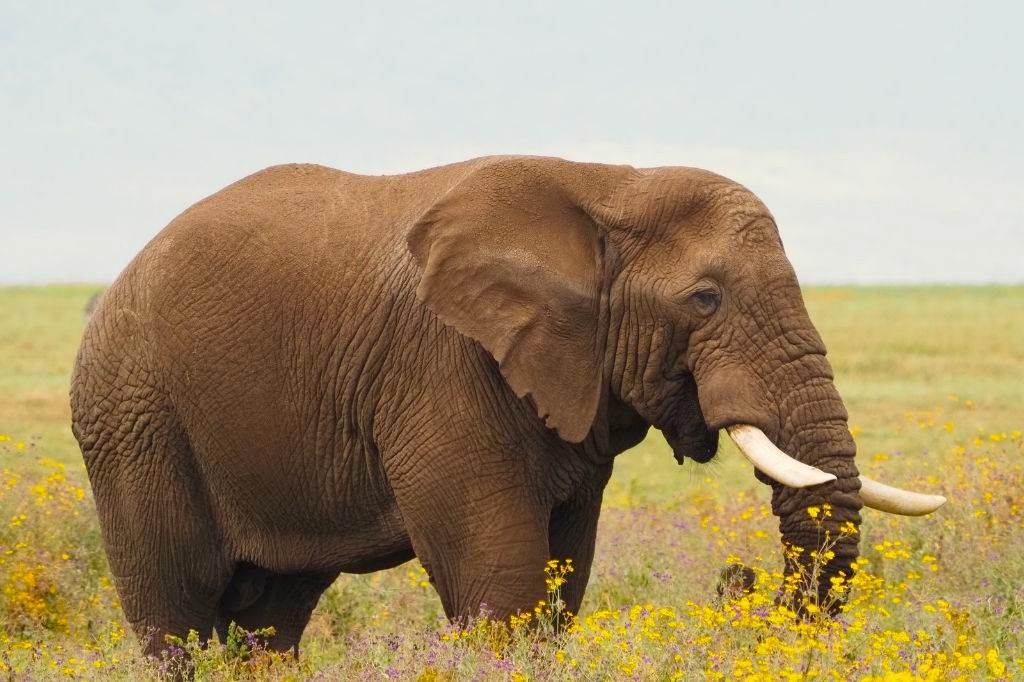
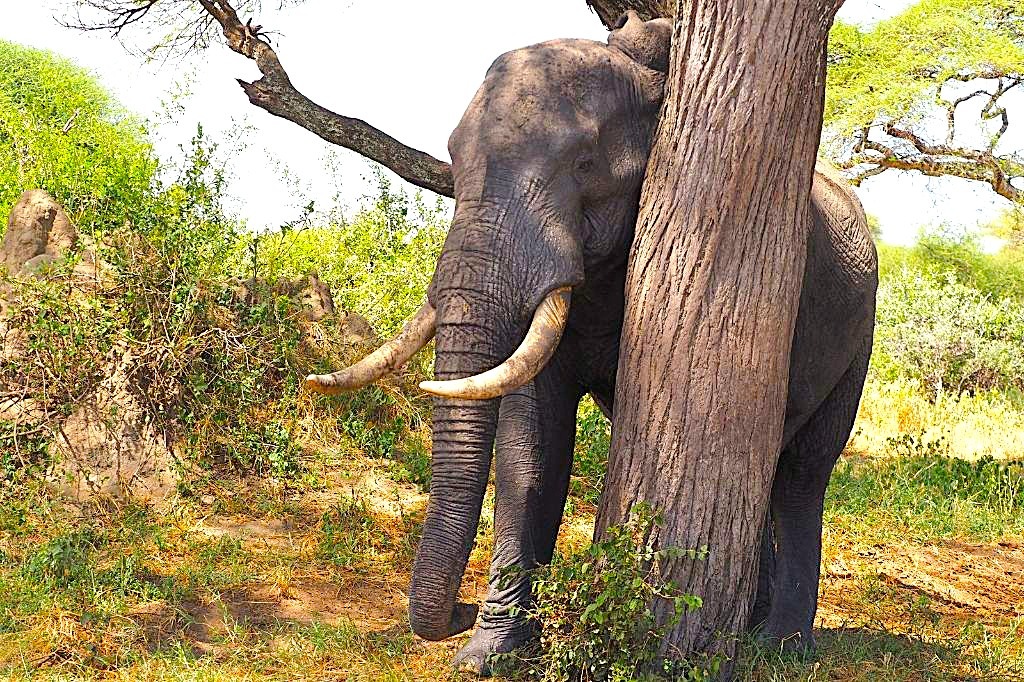
Tarangire is particularly well known for its elephants and striking baobab trees. These enormous trees stand across the landscape, giving parts of the park a distinctive appearance.
Once inside the park, your guide will take you along the available game viewing routes in search of wildlife. You may see elephants moving through the woodland, giraffes feeding on tree branches, zebras grazing in open areas and antelope crossing the tracks.
Lions and other predators also inhabit the park, although sightings depend on where the animals are during your visit.
A picnic lunch is usually arranged during the day’s game drive. Afterwards, continue exploring the park before leaving for your overnight accommodation.
Where you will stay: A lodge, tented camp or other suitable accommodation in the Tarangire area or Karatu, depending on the itinerary.
Meals: Lunch and dinner, depending on your package.
Safari highlight: Watching elephants in their natural habitat beneath Tarangire’s impressive baobab trees.
Why start with Tarangire?
Tarangire offers a different landscape from the Serengeti’s famous open plains. Its woodland, river valley and baobabs make it a worthwhile first stop, particularly for travellers interested in elephants and varied scenery.
Day 2: Tarangire to Serengeti National Park
Journey into the famous Serengeti plains
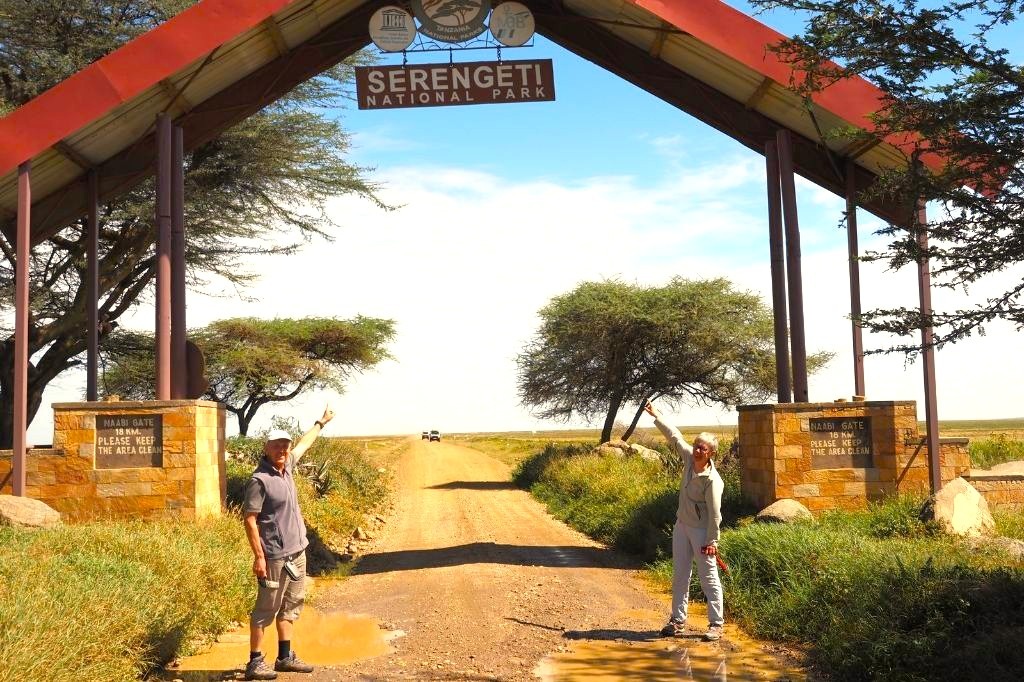
After breakfast, leave for Serengeti National Park, travelling through the Ngorongoro Conservation Area towards the central Serengeti.
This is one of the longer driving days of the safari. Depending on your starting accommodation, route, road conditions and stops, allow approximately five to seven hours or longer to reach the central Serengeti.
Rather than thinking of the journey as simply a transfer, remember that the landscape changes along the way. You will pass through rural areas and highland scenery before reaching the vast plains associated with the Serengeti.
Once you enter the park, your guide will look for opportunities to view wildlife along the route, depending on the time available and your arrival time at camp.
The Serengeti is home to large populations of grazing animals and predators. You may encounter wildebeest, zebras, giraffes, elephants, hyenas and lions. Cheetahs and leopards are also present, although they can take patience to find.
The park is also famous for the Great Migration, during which enormous herds of wildebeest and zebra move through the Serengeti ecosystem in search of fresh grazing.
The location of the herds changes with the seasons, so the best areas to explore depend on your travel dates. Your itinerary can be adjusted where practical to reflect the seasonal wildlife movements.
Arrive at your accommodation in the central Serengeti, where you can relax after a full day on the road.
Where you will stay: A lodge, tented camp or safari campsite in the central Serengeti.
Meals: Breakfast, lunch and dinner, depending on your package.
Safari highlight: Reaching the Serengeti and beginning to explore one of Africa’s best known wildlife destinations.
A practical tip: If you want more time for game drives in the Serengeti, consider adding an extra night. It allows you to explore at a more comfortable pace rather than spending such a large part of the trip travelling between parks.
Day 3: Morning Game Drive in the Serengeti and Drive to Ngorongoro
An early start on the plains
The day begins with an early morning game drive in the Serengeti.
Early mornings can be rewarding because some animals are active before the day becomes hotter. The light can also be excellent for photography, particularly when the plains are quiet and the sun begins to rise.
Your guide will choose suitable areas based on the time available, recent sightings and the location of your accommodation.
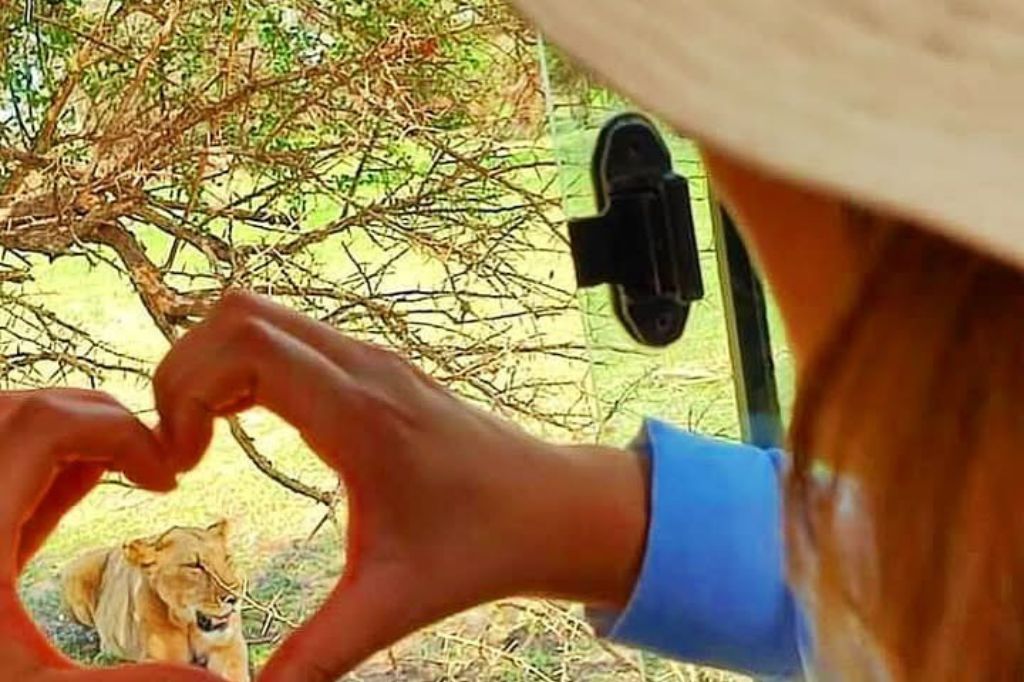
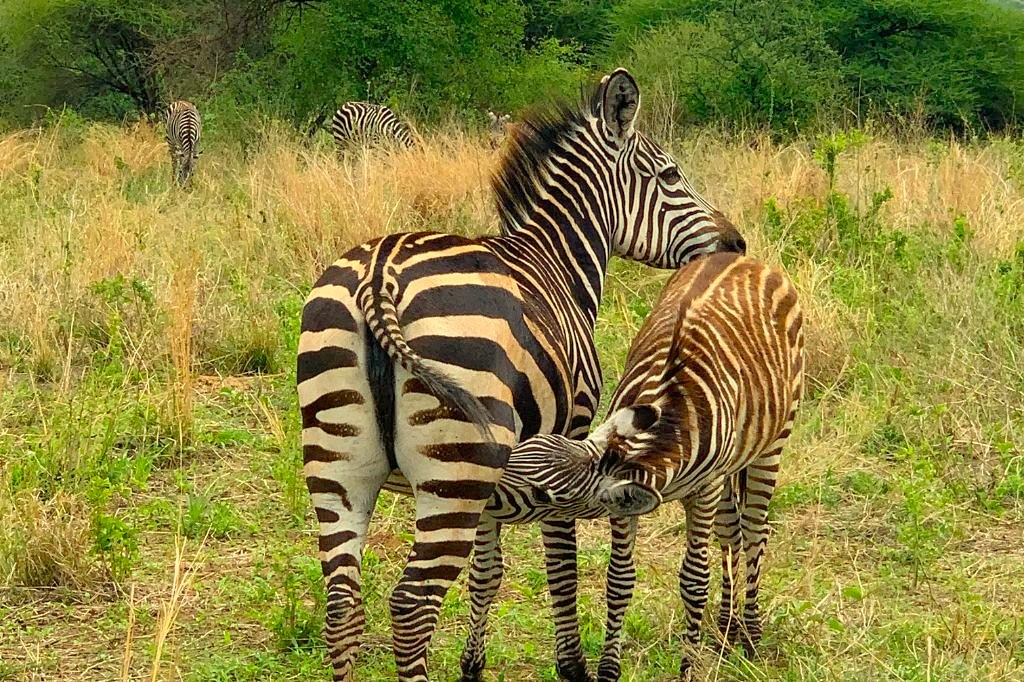
Keep an eye on the grasslands and scattered trees. You may spot lions resting after a night’s activity, hyenas moving across the plains, giraffes browsing or herds of wildebeest and zebra grazing.
If you are visiting during the Great Migration, your guide can advise whether the herds are likely to be within reach of your route. Their location is never guaranteed, so it is important to keep expectations flexible.
After the morning game drive, return for breakfast before beginning the journey towards the Ngorongoro Conservation Area.
The drive can take several hours, depending on where you are staying in the Serengeti and the location of your overnight accommodation. You may see wildlife along the way, but the priority is to reach your next stop in good time.
Arrive at your lodge or camp in the Ngorongoro highlands or Karatu area. The surroundings are generally cooler than the lowland plains, so a light jacket can be useful in the evening.
Enjoy dinner and rest before the following day’s crater safari.
Where you will stay: A lodge or camp in the Ngorongoro highlands or Karatu.
Meals: Breakfast, lunch and dinner, depending on your package.
Safari highlight: A morning among the Serengeti’s wildlife followed by a change of scenery as you travel towards Ngorongoro.
Why overnight near Ngorongoro?
Staying in the Ngorongoro highlands or Karatu helps position you for the following morning’s crater visit. The best location depends on accommodation availability, your budget and the final route.
Day 4: Ngorongoro Crater Safari and Return to Arusha
A remarkable final day among Tanzania’s wildlife
Wake early and travel to the Ngorongoro Crater for your final game drive.
The crater is part of the Ngorongoro Conservation Area, a protected landscape recognised for its remarkable natural scenery and wildlife. Its crater floor includes grasslands, woodland, wetland areas and water sources that support a wide range of animals.
After reaching the crater, descend the access road and begin exploring with your guide.
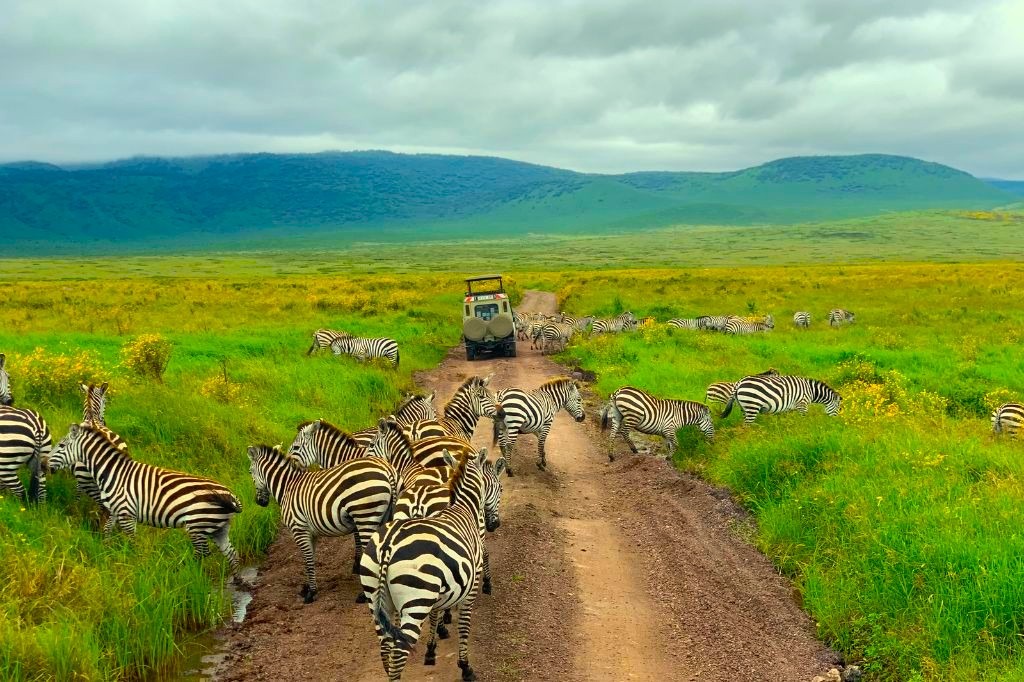
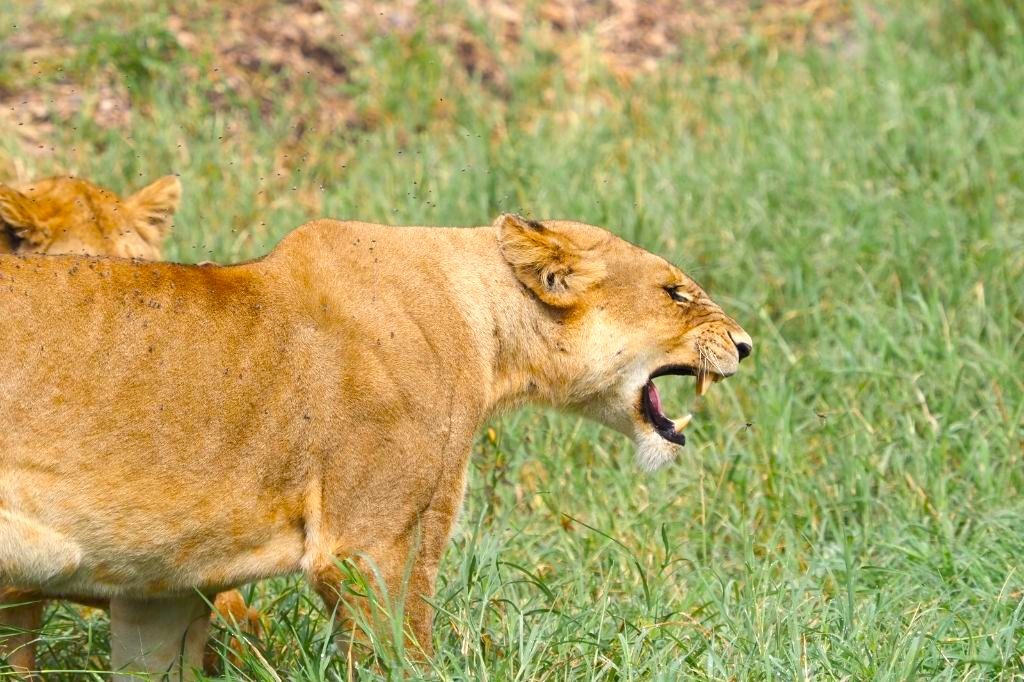
Depending on the conditions and where animals are located, you may see zebras, wildebeest, buffaloes, elephants, hippos and lions. The area is also known for its black rhinoceroses, although spotting one is never guaranteed.
The crater is a special place to finish a safari because the scenery changes over a relatively compact area. One moment you may be looking across open grassland; later, you may pass wetland areas or wooded sections.
Enjoy a picnic lunch during the visit, according to the park arrangements and your itinerary.
After the game drive, ascend from the crater and begin the journey back to Arusha.
The return journey generally takes around three to four hours from the crater rim area, but the total time will depend on your game drive, ascent, traffic, road conditions and any stops along the way.
Where you will stay: The safari ends in Arusha. An additional overnight stay can be arranged if required.
Meals: Breakfast and lunch, depending on your package.
Safari highlight: Exploring the Ngorongoro Crater and looking for some of Tanzania’s best known wildlife before returning to Arusha.
Important advice for your final day
The crater visit and return journey make Day 4 a full day. If you need to catch an international flight that evening, do not assume that the itinerary will finish in time.
Tell your safari operator your departure time before booking. Depending on your flight, an additional night in Arusha or a revised itinerary may be the safer option.
Which Animals Can You See on This 4 Day Safari?
One of the reasons travellers choose northern Tanzania is the variety of wildlife found across its different habitats.
Here are some of the animals you may encounter during this itinerary:
| Animal | Where you may see it |
|---|---|
| Elephants | Tarangire, Serengeti and the Ngorongoro area |
| Lions | Serengeti, Tarangire and Ngorongoro Crater |
| Giraffes | Tarangire and Serengeti |
| Zebras | All three destinations |
| Wildebeest | Serengeti and Ngorongoro |
| Buffaloes | All three destinations |
| Cheetahs | Particularly suitable areas of the Serengeti |
| Leopards | Serengeti and other suitable habitats, although they can be difficult to spot |
| Black rhinoceroses | Ngorongoro Crater, with sightings not guaranteed |
| Hippos | Suitable water sources, including areas of the Ngorongoro Crater |
Wildlife moves freely throughout these protected areas. No responsible guide can promise that you will see every animal on this list.
Your chances depend on the time of year, the areas visited, the amount of time available and animal movements. An experienced guide can help you make the most of the opportunities during your safari.
What Is the Best Time to Take This Safari?
The northern Tanzania safari circuit can be visited throughout the year, but each season offers a somewhat different experience.
June to October: This is generally part of the dry season. Vegetation is often thinner in many areas, and wildlife may gather around remaining water sources. It is a popular period for safaris.
November: The short rains often begin around this time, bringing greener landscapes and changing wildlife movements. Rainfall varies, and some roads may become muddy. November can also be an interesting time to look for migrating wildebeest and zebra in the Serengeti ecosystem.
December to February: These months can offer good wildlife viewing, and the southern Serengeti and Ndutu area may be particularly interesting as the calving season approaches and begins. The timing depends on rainfall and grazing conditions.
March to May: This is generally a wetter period in much of northern Tanzania. The scenery can be green and attractive, but heavier rain may affect some roads and travel arrangements.
The best time for your trip depends on your priorities. If seeing the Great Migration is especially important, discuss your dates with your safari operator so that the itinerary can be planned around the likely location of the herds.
How Much Does a 4 Day Tanzania Safari Cost?
The price of a four day safari depends on several factors, including your travel dates, accommodation, number of travellers, park fees and whether you choose a private or group arrangement.
A budget camping safari will usually cost less than a private safari staying in comfortable lodges or tented camps. Luxury accommodation and additional services can increase the price considerably.
Before choosing a package, check exactly what is included in the quotation.
A safari package may include:
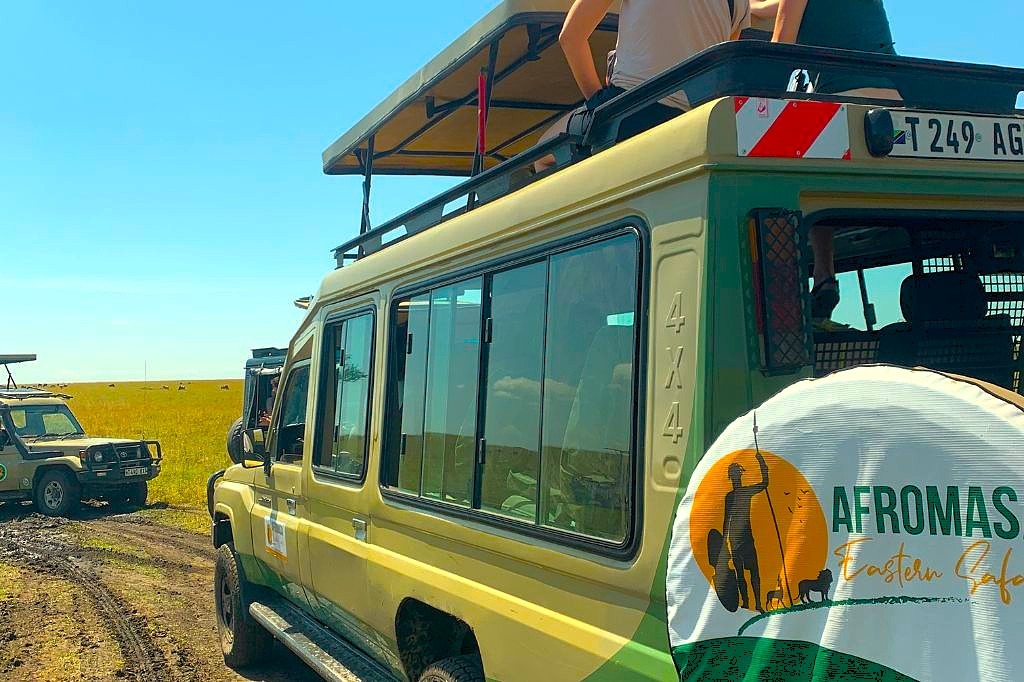
- A 4×4 safari vehicle with a pop up roof.
- A professional driver guide.
- National park and conservation fees.
- Accommodation for three nights.
- Meals as specified in the itinerary.
- Game drives in the listed destinations.
- Drinking water during game drives.
- Transfers included in the agreed route.
Items such as international flights, travel insurance, tips, personal expenses and certain drinks may be excluded. Domestic flights and optional activities are usually additional unless explicitly included.
Our advice: Compare the full itinerary and inclusions, not just the headline price. A cheaper safari may use different accommodation, have different travel arrangements or offer less time in certain parks.
If you have a budget in mind, share it with your safari operator. It may be possible to adjust the accommodation or route to suit your needs.
Private Safari or Group Safari: Which Should You Choose?
For a four day trip covering Tarangire, Serengeti and Ngorongoro, the choice of safari style can make a difference to your experience.
Private Safari
With a private safari, you travel in your own vehicle with your guide. You have greater flexibility over your schedule, within park regulations and the practical limits of the itinerary.
This option can suit couples, families, friends and travellers who want a more personal experience. It can also be useful if you have particular wildlife interests or need a route tailored to your travel dates.
Group Safari
A group safari allows you to share the vehicle and certain costs with other travellers. This can make the trip more affordable, although the departure dates, route and accommodation options may be more limited.
Not every four day route is available as a scheduled group departure, so confirm the actual itinerary before booking.
At Afromasai Eastern Safaris, we can help you explore the available arrangements and choose an option that fits your travel plans.
Is Four Days Enough for Tarangire, Serengeti and Ngorongoro?
Yes, it is possible to visit all three destinations in four days, but it is a busy itinerary.
You will experience three very different landscapes and have opportunities to look for a wide range of wildlife. However, the long transfer between Tarangire and Serengeti, followed by the journey from Serengeti towards Ngorongoro, means that not every day will be spent entirely on game drives.
If your main goal is to experience the Serengeti at a relaxed pace, consider extending your safari to five days.
An extra night can give you more time to explore the plains and may reduce the feeling of rushing from one destination to the next.
For travellers with limited holiday time, the four day option remains worth considering. The key is to understand the pace before making a decision.
What Should You Pack for a 4 Day Safari?
You do not need to bring everything you own, but a few practical items will make your trip more comfortable.
We recommend packing:
- Lightweight, comfortable clothing.
- A warm layer for early morning game drives.
- A waterproof jacket, especially during the rainy seasons.
- Comfortable walking shoes.
- A hat, sunglasses and sunscreen.
- Insect repellent.
- Binoculars.
- A camera or phone with enough storage.
- A small day bag.
- Personal medication and any essential travel documents.
If you are travelling during November or another rainy period, protect your camera, phone and other electronics from moisture.
It is also useful to keep your overnight bag manageable, particularly if you are moving between camps during a short itinerary.
Book Your 4 Day Tanzania Safari with Afromasai Eastern Safaris
A four day safari through Tarangire, Serengeti and Ngorongoro offers a chance to experience some of northern Tanzania’s most distinctive landscapes in a limited amount of time.
From the elephants and baobabs of Tarangire to the open plains of the Serengeti and the wildlife rich floor of Ngorongoro Crater, each destination adds something different to the journey.
At Afromasai Eastern Safaris, we are a locally owned safari company based in Arusha, Tanzania. We organise private and scheduled safaris, helping travellers choose routes, accommodation and travel arrangements that suit their interests and budgets.
We believe a good safari starts with understanding what matters to you. Perhaps you want to photograph lions, hope to see the Great Migration, prefer comfortable lodges or need to keep the trip within a particular budget. Tell us what you have in mind, and we can help you explore the available options.
Planning a Tanzania safari? Contact Afromasai Eastern Safaris for a personalised itinerary and quotation.
Share your preferred travel dates, number of travellers and accommodation preference, and we will help you plan the next steps.
Afromasai Eastern Safaris
Locally Owned. Globally Trusted.
Arusha, Tanzania
Website: afromasaieasternsafaris.com
Call or WhatsApp: +255 743 542 848
Email: info@afromasaieasternsafaris.com
Frequently Asked Questions
Can I visit Tarangire, Serengeti and Ngorongoro in four days?
Yes. It is possible to visit all three destinations in four days, although the itinerary involves long drives and a fairly busy schedule. Travellers who want more time in the Serengeti may prefer a five day safari.
Where does the four day safari start and end?
This sample itinerary starts in Arusha and returns to Arusha on Day 4. Airport transfers can be arranged according to your arrival and departure plans.
Is the Great Migration included in this safari?
The Serengeti is part of the Great Migration ecosystem, but the location of the herds changes throughout the year. Your route can be planned around seasonal movement, but a sighting cannot be guaranteed.
Can I see the Big Five in four days?
You may see some or all of the Big Five during a four day safari, but sightings are never guaranteed. The Big Five are lion, leopard, elephant, buffalo and rhinoceros. Ngorongoro Crater offers opportunities to look for several of these animals, including the black rhinoceros.
What type of accommodation is available?
Depending on your budget and availability, you may choose budget campsites, comfortable lodges, tented camps or luxury accommodation. The exact properties should be confirmed when the safari is booked.
Is a private safari worth it for four days?
A private safari can be worthwhile if you value flexibility and want a route tailored to your interests. A group safari may be more affordable if a suitable departure is available. The right option depends on your budget, preferences and travel dates.
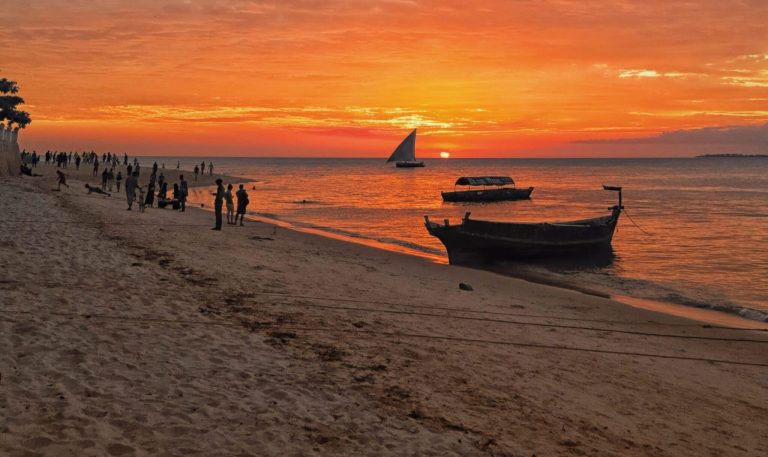
Can I add Zanzibar after the safari?
Yes. Many travellers combine a northern Tanzania safari with a beach holiday in Zanzibar. You will need to allow time for travel between destinations, usually by domestic flight or another suitable transfer arrangement.
When should I book my safari?
Booking in advance gives you more choice of accommodation and travel dates, especially during popular holiday periods. If your dates are approaching, ask about current availability before finalising your plans.