Tanzania Safari and Zanzibar- How to Plan the Perfect Holiday
Imagine spending your morning watching elephants move through the African bush, your afternoon looking for lions across the Serengeti plains, and a few days later walking barefoot along a white sandy beach in Zanzibar. Few holidays offer such a contrast in scenery and experiences within one trip.
That is what makes combining a Tanzania safari with Zanzibar so appealing. You can experience the wildlife and open landscapes of mainland Tanzania before slowing down on an island known for its turquoise water, beautiful beaches, rich Swahili culture and fresh seafood.
The good news is that you do not need to be an experienced traveller to plan this kind of holiday. With the right route, enough time and a little local guidance, it is possible to enjoy both experiences without making the trip feel rushed.
In this guide, we explain how to plan a Tanzania safari and Zanzibar holiday, which national parks to consider, how many days you need, when to visit and what to think about when setting your budget.
Why Combine a Tanzania Safari with Zanzibar?
A safari and a beach holiday offer two very different sides of Tanzania.
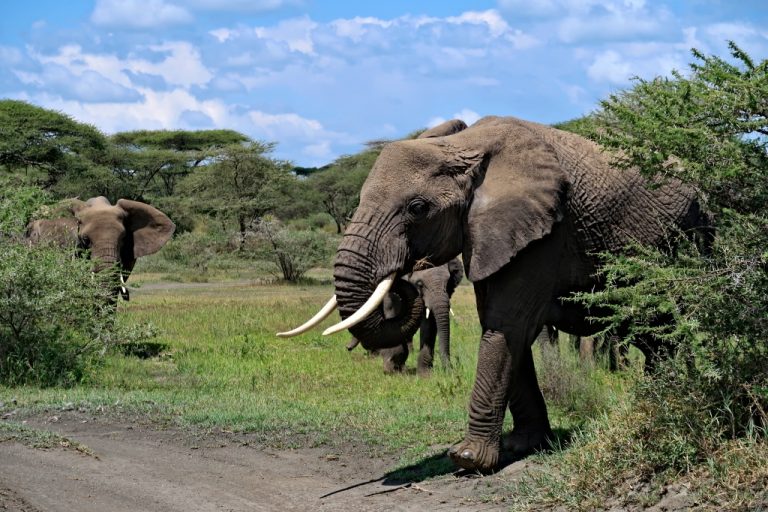
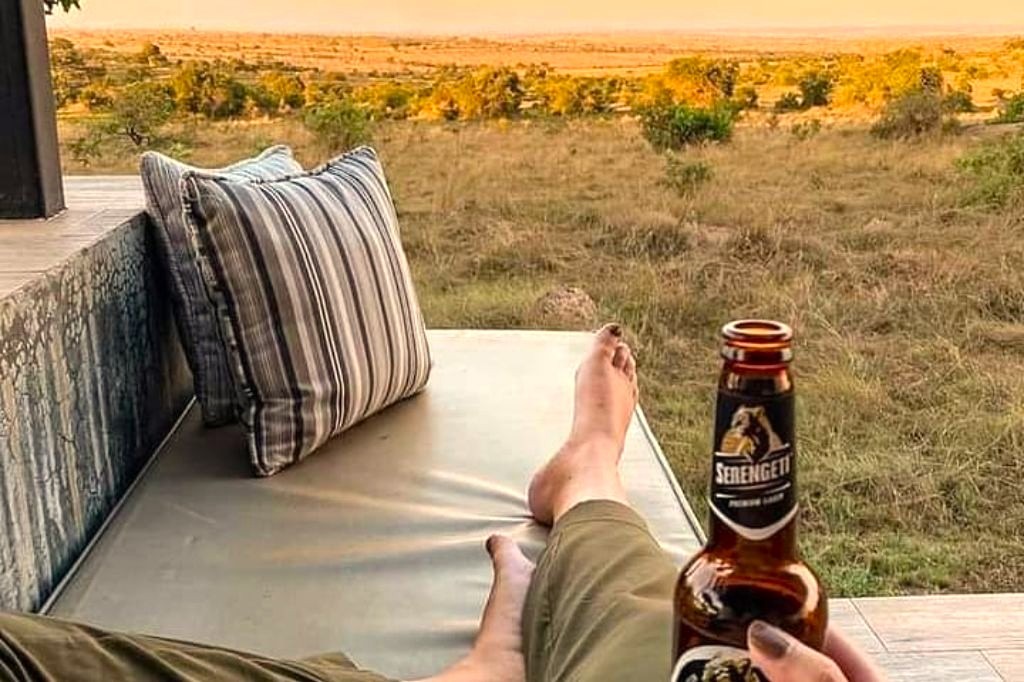
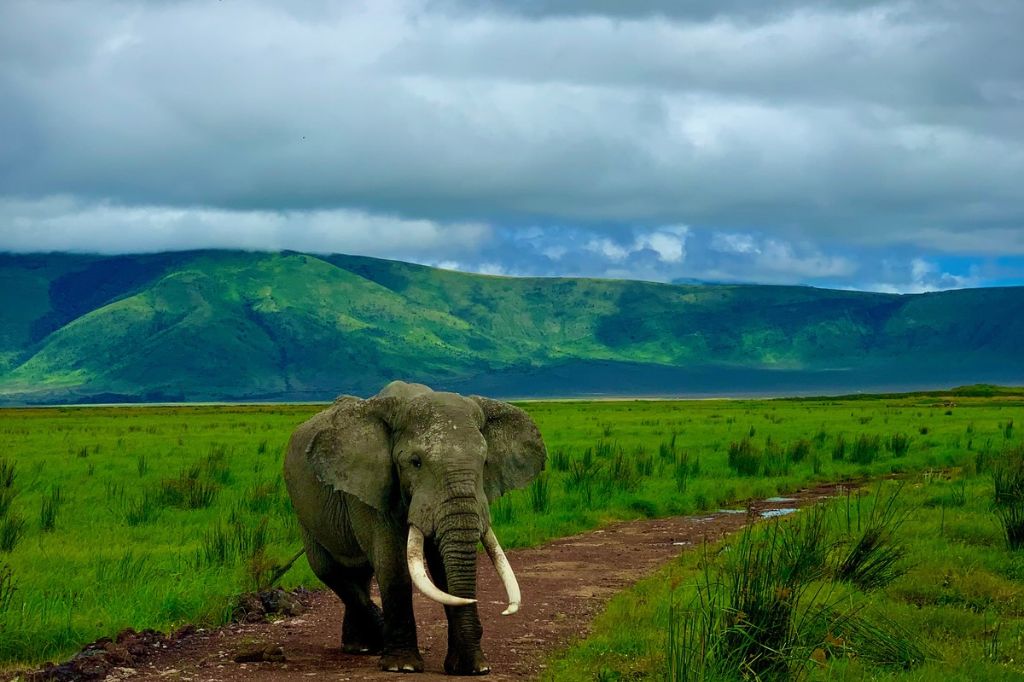
On the mainland, your days might begin before sunrise as your guide takes you into the national parks. You could spend hours watching elephants around ancient baobab trees, following a pride of lions or looking for giraffes moving across the plains. Each game drive brings something different, and wildlife sightings are never exactly the same.
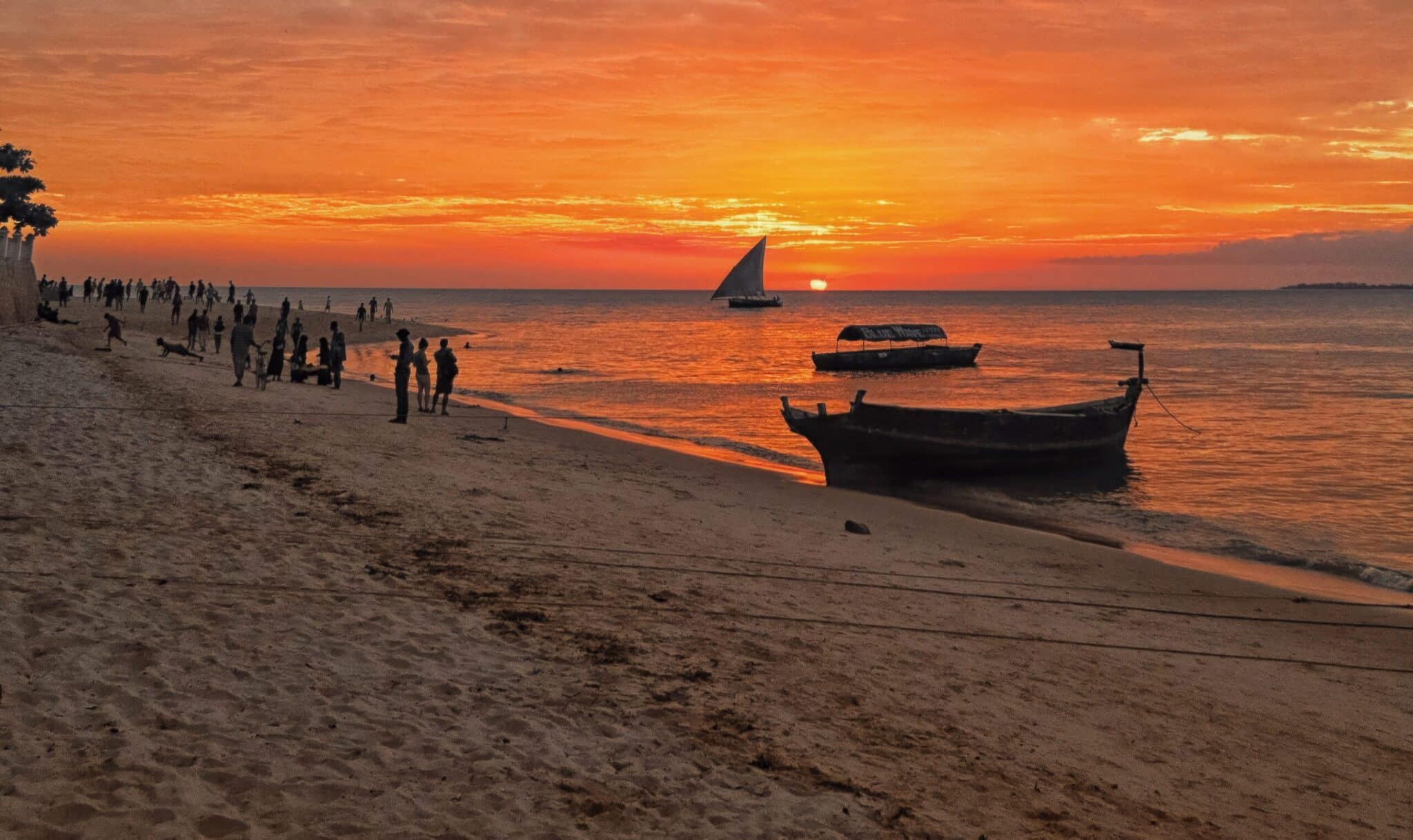
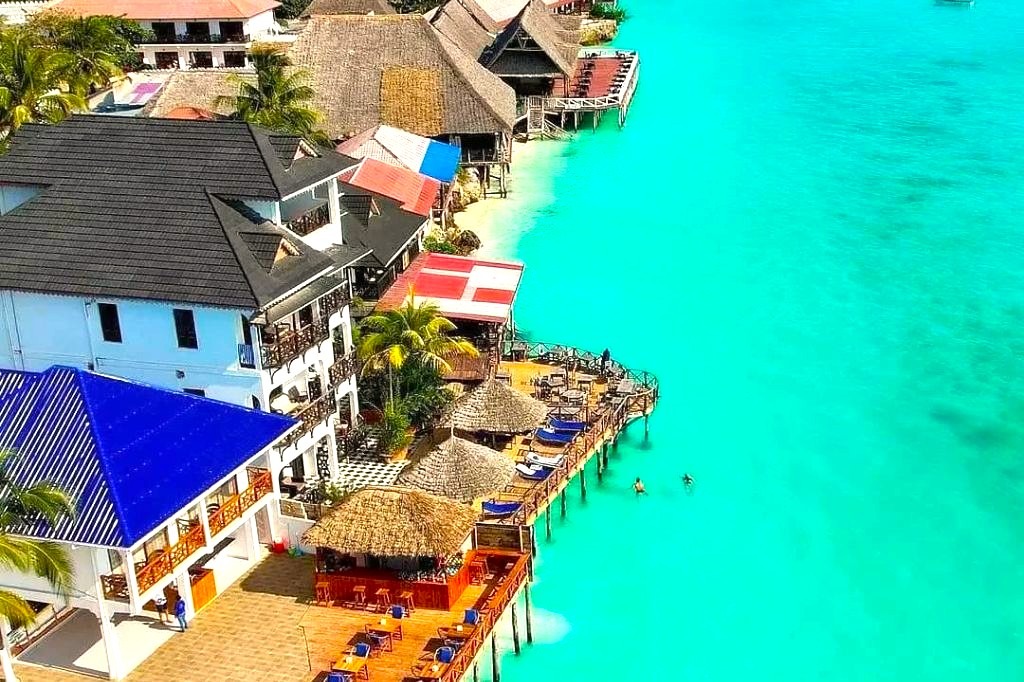
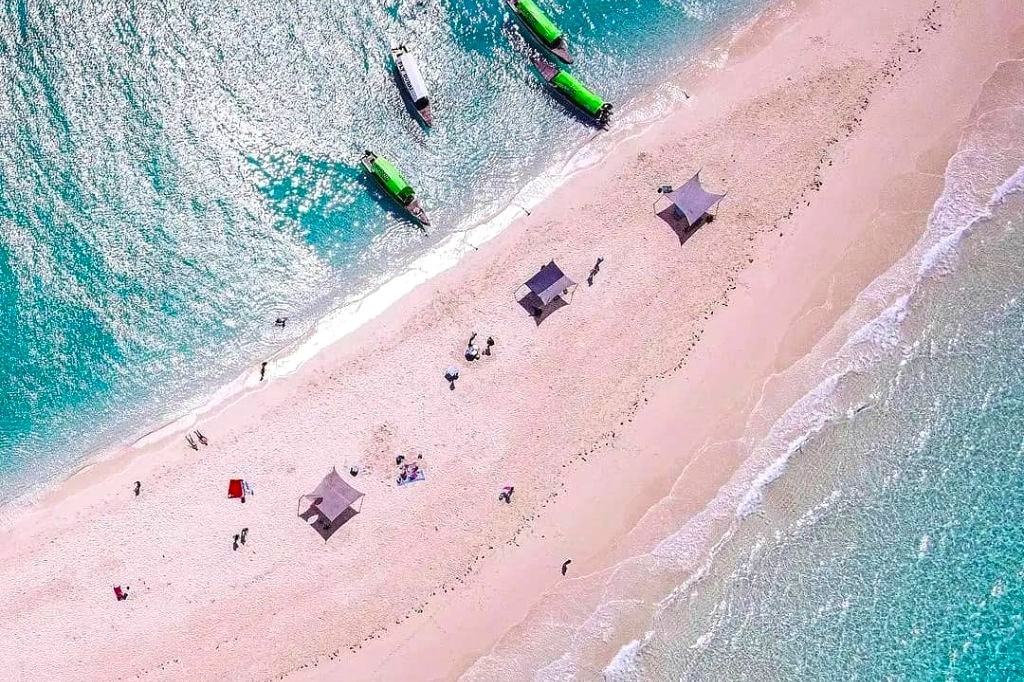
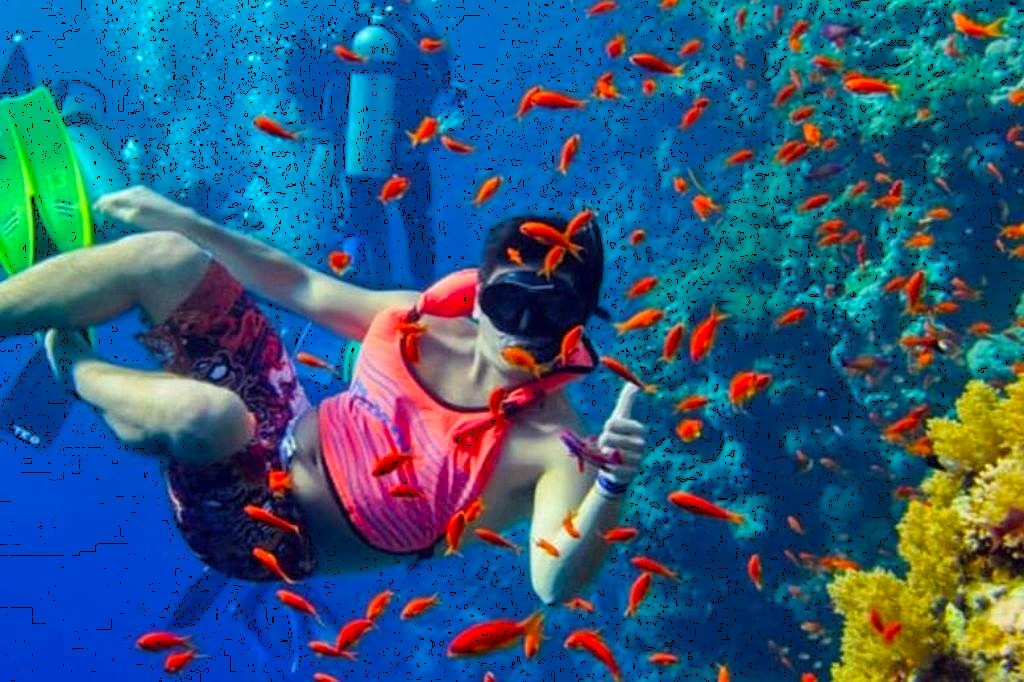
Zanzibar offers a slower pace. After several days of early starts and long game drives, you can spend your time swimming in warm Indian Ocean waters, enjoying a boat trip, exploring historic Stone Town or simply relaxing beside the beach.
The combination works particularly well for couples, honeymooners, families and travellers celebrating a special occasion.
It also gives you a broader experience of Tanzania. You discover its wildlife and natural landscapes, but you also have time to appreciate its coastal culture, food and history.
How Many Days Do You Need for a Tanzania Safari and Zanzibar Holiday?
The ideal length depends on your budget, the parks you want to visit and how much time you would like to spend at the beach.
As a general guide, consider the following options.
| Total holiday | Suggested plan | Best suited to |
|---|---|---|
| 7 days | 3 days on safari and 4 days in Zanzibar | Travellers with limited time |
| 10 days | 5 days on safari and 5 days in Zanzibar | A balanced wildlife and beach holiday |
| 12 to 14 days | 6 to 7 days on safari and 5 to 7 days in Zanzibar | Travellers who want more time for wildlife and relaxation |
| 14 days or more | An extended safari, Zanzibar and possibly additional destinations | Travellers looking for a slower, more varied trip |
These are planning suggestions rather than fixed itineraries. You will also need to allow time for domestic flights, international arrivals and departures, and transfers between accommodation.
Our recommendation: If your schedule allows, aim for around 10 to 12 days. This usually gives you enough time to visit several wildlife destinations without spending your entire holiday on the road, followed by a few days to enjoy Zanzibar properly.

Which National Parks Should You Visit on Your Tanzania Safari?
Tanzania has several excellent safari destinations, but you do not need to visit every park to have a memorable experience. Choosing the right combination is more important than trying to fit too much into a short trip.
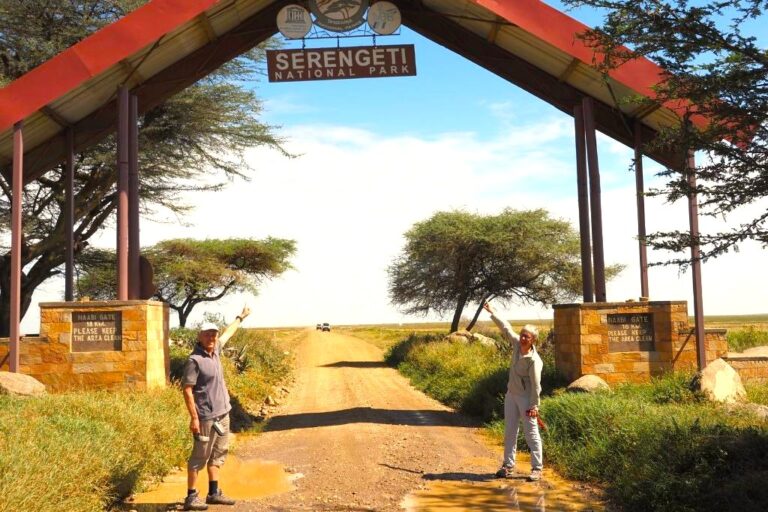
1. Serengeti National Park: For the Great Plains and Big Cats
The Serengeti is one of Tanzania’s best-known wildlife destinations, and for good reason. Its wide grasslands, rocky outcrops and seasonal water sources support a remarkable variety of wildlife.
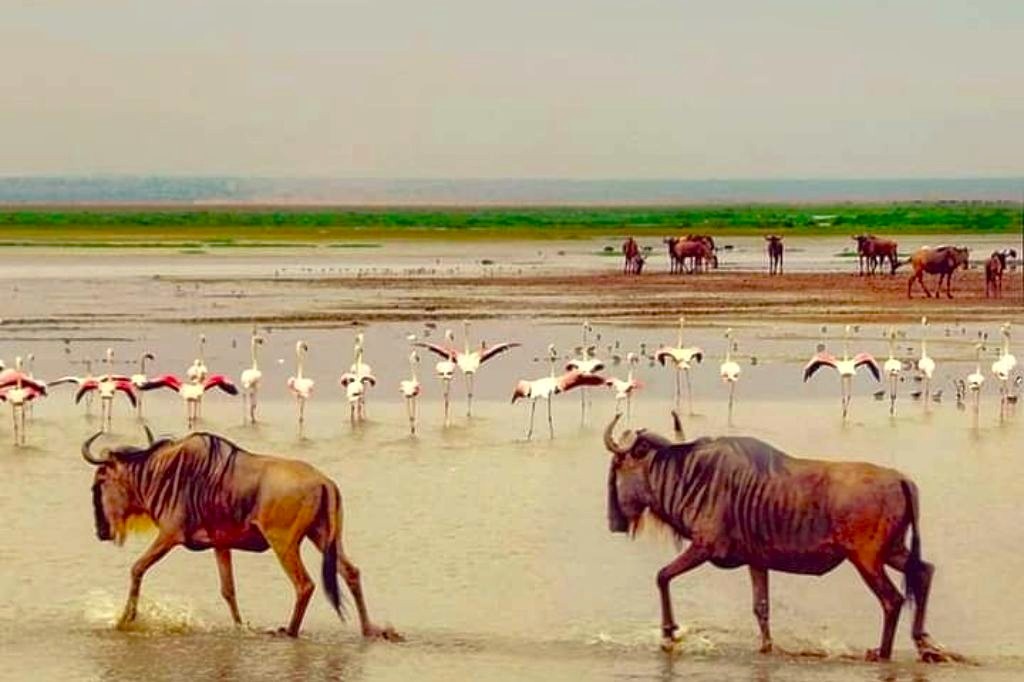
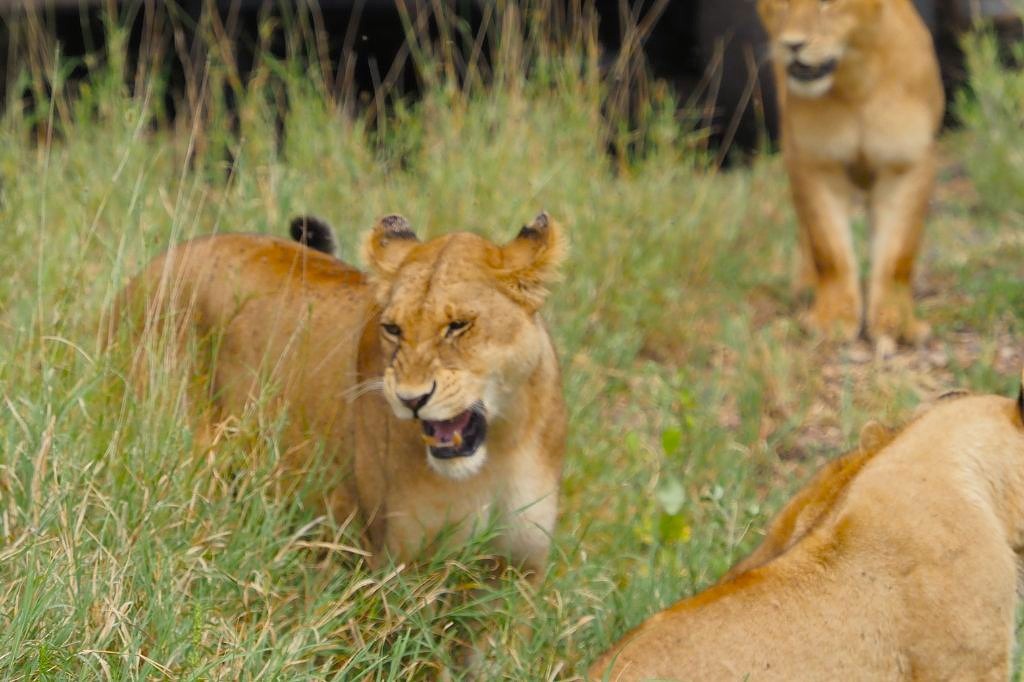
You may see lions resting in the shade, cheetahs scanning the plains, elephants crossing open country and large herds of wildebeest and zebra moving across the landscape.
The park is also famous for the Great Migration, when vast numbers of wildebeest and zebra move through the Serengeti ecosystem in search of fresh grazing. The timing and location of the herds change with the seasons, so your route should reflect the conditions expected during your visit.
If seeing the migration is important to you, tell your safari planner your travel dates before choosing camps and lodges. The right location can make a real difference to your experience.
The Serengeti is especially worth considering if you have enough time for at least two nights in the park. This gives you more opportunity to explore different areas rather than spending most of your visit travelling to and from your accommodation.
2. Ngorongoro Crater: A Remarkable Wildlife Landscape
The Ngorongoro Crater is one of the most distinctive safari destinations in Tanzania. Its dramatic volcanic landscape surrounds a wildlife-rich crater floor where animals can often be spotted across a relatively compact area.
A crater game drive may bring sightings of lions, buffalo, elephants, zebras, wildebeest and, with luck, the endangered black rhinoceros.
The crater is an excellent choice for travellers who want a rewarding wildlife experience within a limited amount of time. However, sightings are never guaranteed, and the number of animals you see depends on the day and conditions.
Many safari itineraries combine Ngorongoro with the Serengeti or Tarangire. Staying in the surrounding highlands the night before a crater visit can also make an early start easier.
3. Tarangire National Park: Elephants and Ancient Baobabs
If you enjoy elephants and beautiful landscapes, Tarangire is well worth including.
The park is known for its large baobab trees, seasonal swamps and herds of elephants. During the drier months, wildlife often gathers around the Tarangire River, creating excellent opportunities for game viewing.
You may also encounter giraffes, zebras, wildebeest, buffalo and several antelope species. Lions are present too, although their appearance is never guaranteed.
Tarangire is a particularly practical addition to a safari starting and ending in Arusha. It can work well as the first stop on a longer northern Tanzania circuit.
4. Lake Manyara National Park: A Different Side of the Safari
Lake Manyara offers a change of scenery, with woodland, open areas, groundwater forest and the lake itself creating a varied environment.
Depending on the conditions, you may see elephants, baboons, giraffes, buffalo and numerous bird species. The park is also known for its tree-climbing lions, although spotting them requires luck.
Lake Manyara can be a good addition if you have extra time or want to explore another habitat. If your holiday is short, however, it may be better to spend more time in the Serengeti rather than add another park simply to increase the number of destinations.
A useful tip: For a first safari of four to five days, Tarangire, Serengeti and Ngorongoro can make an excellent combination. If you have only two or three days, your route will need to be more selective because driving distances between parks can be considerable.
A Suggested 10-Day Tanzania Safari and Zanzibar Itinerary
If you are unsure where to begin, the following itinerary offers a practical starting point. It combines three well-known safari destinations with several days on the island.
The exact route should be adjusted to suit your arrival time, departure flight, accommodation preferences and budget.
Day 1: Arrive in Tanzania
Arrive at Kilimanjaro International Airport and transfer to Arusha, the main gateway for many northern Tanzania safaris.
Depending on your arrival time, you can relax at your accommodation, enjoy dinner and prepare for the journey ahead.
If you arrive late in the evening, we recommend keeping the first day free rather than trying to fit in sightseeing after a long international flight.
Overnight: Arusha.
Day 2: Arusha to Tarangire National Park
After breakfast, meet your safari guide and travel to Tarangire National Park.
Spend the day exploring the park, watching for elephants, giraffes, zebras, buffalo and predators. Your guide will help you understand animal behaviour and look for wildlife along the way.
Tarangire’s baobab-studded landscapes also make it a wonderful place for photography.
Overnight: Tarangire area or a suitable lodge along the route.
Day 3: Travel to the Serengeti
After breakfast, continue towards Serengeti National Park, passing through the Ngorongoro Conservation Area along the way.
This is a longer travel day, but there is plenty to see as the landscape changes from the highlands to the vast plains of the Serengeti.
Depending on your route and arrival time, you may enjoy wildlife viewing during the journey or have time for an afternoon game drive.
Overnight: Serengeti National Park.
Day 4: Explore the Serengeti
Spend the day exploring the Serengeti with your guide.
The wildlife you encounter will depend on the season and the area you visit. Your day might include searching for big cats, watching herds of grazing animals or following the movement of wildlife across the plains.
If the Great Migration is a priority, choose your accommodation based on the expected location of the herds during your travel dates.
Overnight: Serengeti National Park.
Day 5: Serengeti to Ngorongoro
Enjoy an early game drive or breakfast before beginning the journey towards the Ngorongoro highlands.
The route and timing will depend on where you stayed in the Serengeti. Allow enough time for driving and wildlife stops, rather than planning an overly packed day.
Arriving near the crater the previous evening makes it easier to begin your crater visit early the following morning.
Overnight: Ngorongoro highlands or Karatu.
Day 6: Ngorongoro Crater and Return to Arusha
Start early for your Ngorongoro Crater game drive.
Descend to the crater floor to explore its varied habitats and look for wildlife. Your guide will choose the route according to conditions and the latest information about animal sightings.
After your crater visit, continue to Arusha.
This is a full day, and the return journey can take several hours. If your international flight departs the same evening, check the timing carefully before confirming the itinerary. In many cases, an additional night in Arusha is the safer choice.
Overnight: Arusha, or continue according to your confirmed travel arrangements.
Day 7: Fly to Zanzibar
After your safari, take a domestic flight to Zanzibar.
Depending on the flight schedule, you may arrive with enough time to settle into your beach accommodation and enjoy a relaxed afternoon by the ocean.
Your safari operator or accommodation can help arrange the transfer from Zanzibar Airport to your hotel.
Overnight: Zanzibar.
Day 8: Enjoy Zanzibar’s Beaches
Leave the early safari starts behind and enjoy a day at your own pace.
Swim, relax on the sand, read a book beside the sea or arrange a boat excursion if the weather and sea conditions are suitable.
Zanzibar has several beach areas, each with a slightly different atmosphere. Some are known for lively resorts and water activities, while others are quieter and better suited to travellers seeking a peaceful stay.
Overnight: Zanzibar.
Day 9: Explore Stone Town or Enjoy an Island Excursion
Spend the day discovering another side of Zanzibar.
You could explore Stone Town’s historic streets, learn about the island’s Swahili heritage, visit local markets or arrange a guided cultural tour.
Alternatively, choose a sea excursion or simply enjoy another day at the beach. Popular activities include snorkelling and visiting nearby islands, subject to weather and sea conditions.
If you want to visit a spice farm, book through a reputable local operator and allow enough time for transfers.
Overnight: Zanzibar.
Day 10: Departure
Enjoy breakfast and a final look at the ocean before transferring to Zanzibar Airport for your onward flight.
If you are connecting to an international flight from Dar es Salaam or another airport, check the connection carefully. A separate domestic flight and international departure on the same day can carry additional risk if delays occur.
For greater peace of mind, consider an overnight stay at your international departure point when the flight schedules require it.
Where Should You Stay in Zanzibar?
Choosing the right part of Zanzibar can shape the final few days of your holiday.
The best location depends on whether you prefer a quiet beach, a lively resort, cultural sightseeing or easy access to particular activities.
Nungwi and Kendwa
Located in the north of the island, Nungwi and Kendwa are popular with travellers looking for beautiful beaches, swimming opportunities, restaurants and a choice of resorts.
They can be good options for couples, families and travellers who want a mix of relaxation and activities.
Paje and Jambiani
On Zanzibar’s southeast coast, Paje and Jambiani have a more laid-back atmosphere, with long beaches, guesthouses and beachside accommodation.
Paje is particularly popular with kitesurfers when conditions are suitable. Tidal changes are more noticeable along parts of the east coast, so ask your accommodation about swimming conditions and the best times to enjoy the beach.
Stone Town
Stone Town is a good choice for travellers interested in history, architecture, food and local culture.
You can explore its narrow streets, visit historic sites and enjoy the island’s distinctive blend of African, Arab, Indian and European influences.
Some visitors spend one night in Stone Town before heading to a beach resort. Others choose to stay longer if cultural exploration is a major part of their trip.
Our advice: If you have four or five days in Zanzibar, consider spending most of your time at a beach accommodation and adding a Stone Town visit. You can also split your stay between the two if you prefer not to travel back and forth.
When Is the Best Time to Visit Tanzania and Zanzibar?
Tanzania can be visited throughout the year, but weather, wildlife movements and beach conditions vary by season.
The best time for your holiday depends on what matters most to you.
June to October: Dry Season and Excellent Safari Conditions
These months are popular for wildlife viewing in many northern Tanzania parks. Vegetation is often thinner, and animals may gather around reliable water sources.
This is also a busy travel period, so popular lodges and camps can book up well in advance.
Zanzibar is generally a good beach destination during much of this period, although local weather conditions can vary.
November to December: Short Rains and Greener Landscapes
The short rains often begin around November, although their timing and intensity vary from year to year.
The landscape can become greener, and there may be fewer visitors at some destinations than during peak dry-season months. Wildlife viewing can still be rewarding, but rain may affect road conditions and daily plans.
Parts of the Serengeti ecosystem may begin to see large herds moving towards their seasonal grazing areas. The exact location depends on rainfall and other environmental conditions.
January to February: Calving Season in the Southern Serengeti
January and February can be particularly interesting for travellers hoping to see the wildebeest calving season, often associated with the southern Serengeti and Ndutu area.
Large herds gather in the region when conditions are suitable, and the presence of young animals can attract predators.
The timing varies each year, so your itinerary should be planned around current seasonal expectations rather than fixed promises.
March to May: Long Rains
The long rains usually fall during this period, particularly in April and May, although conditions vary.
Some safari areas may be quieter, and the scenery can be beautiful. However, heavy rain can affect road access, travel times and outdoor activities.
Zanzibar also experiences wetter conditions during parts of this season. If you choose to travel then, keep your plans flexible and check conditions before booking non-refundable activities.
Before choosing your dates, think about your priorities: Are you most interested in the Great Migration, big cats, fewer crowds, lower seasonal rates or beach weather? A good itinerary balances these factors rather than relying on one month being perfect for everything.
How Much Does a Tanzania Safari and Zanzibar Holiday Cost?
There is no single price for a Tanzania safari and Zanzibar holiday. The total cost depends on your travel dates, number of people, accommodation standard, safari length, flights and the activities you choose.
The main expenses usually include:
- International flights to and from Tanzania.
- Safari vehicle, driver-guide and park entry fees.
- Accommodation and meals during the safari.
- Domestic flights between the mainland and Zanzibar.
- Zanzibar accommodation and airport transfers.
- Excursions, drinks, travel insurance and personal spending.
A budget camping safari may cost less than a private safari staying in comfortable lodges or luxury tented camps. Zanzibar accommodation also ranges from simple guesthouses to high-end beachfront resorts.
Travelling as a couple, family or small group can affect the per-person price because some expenses, such as a private safari vehicle, are shared.
How to Make Your Budget Go Further
Choose the right safari length. More days can mean more park fees, accommodation nights and transport costs. Focus on the parks that matter most to you.
Travel in a season that suits your priorities. Prices and availability change throughout the year. Shoulder-season dates may offer more flexibility, but check weather conditions and seasonal wildlife patterns.
Choose accommodation carefully. You do not need to stay in luxury lodges every night to have a memorable safari. A mixture of accommodation styles may help you balance comfort and cost.
Plan domestic flights early. Flight schedules, luggage restrictions and fares can influence how your safari connects with Zanzibar.
Ask for a clear quotation. Check exactly what is included, such as park fees, meals, transfers, domestic flights and activities. Comparing quotations is easier when the inclusions are clearly listed.
For a more detailed explanation of safari pricing, read our guide to the cost of a Tanzania safari. Your safari and Zanzibar budget should be planned together so that one part of the holiday does not leave you with too little time or money for the other.
Should You Book a Private Safari or Join a Group?
Both options can work well. The right choice depends on your budget, preferred travel style and how much flexibility you want.
Private Safari
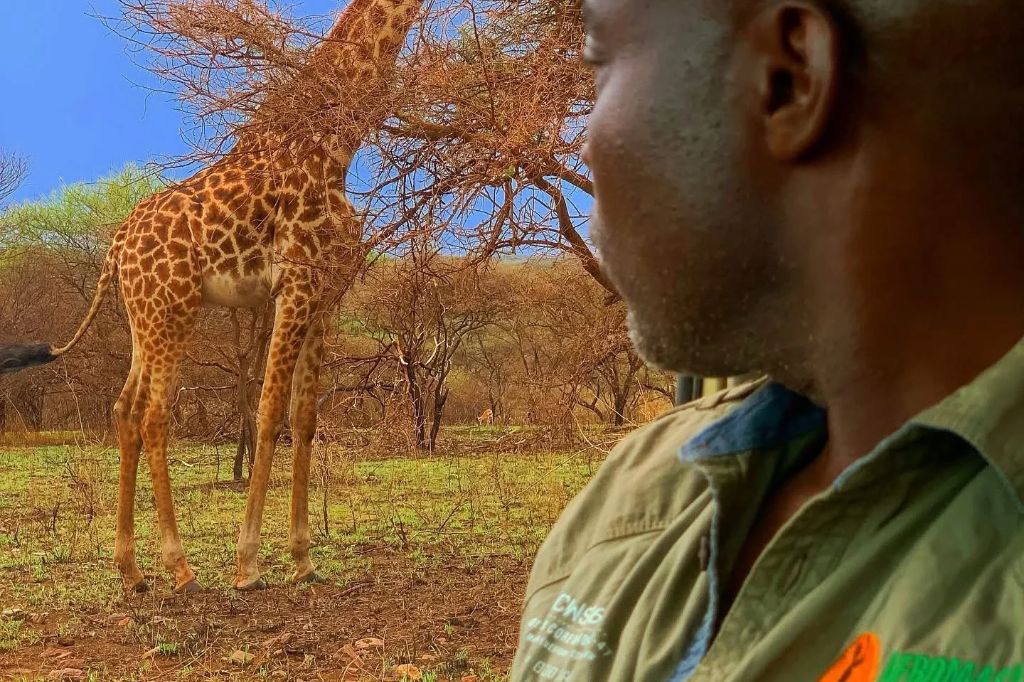
A private safari gives you your own vehicle and guide, allowing the itinerary to be planned around your interests.
You can spend longer watching an animal encounter, adjust your pace where practical and choose accommodation that suits your preferences.
Private safaris are especially useful for families, couples, photographers and travellers with specific interests, such as big cats or the Great Migration.
The cost per person may be higher, particularly for one or two travellers, but the added flexibility can be worthwhile.
Scheduled Group Safari
A scheduled group safari allows you to share the vehicle and certain costs with other travellers.
It can be a more affordable way to explore Tanzania, especially if you are travelling alone or on a limited budget.
However, group departures operate according to a set itinerary, and you will need to follow the agreed schedule and share game-viewing time with the other guests.
Before booking, confirm the group size, accommodation arrangements, departure dates and what happens if the minimum number of travellers is not reached.
Should You Book Your Safari and Zanzibar Stay Together?
Booking both parts of your holiday through one well-organised arrangement can make the trip easier to manage.
Your safari and beach stay involve different logistics. On the mainland, you need to consider park entry times, driving distances, wildlife areas and lodge locations. In Zanzibar, you need to coordinate domestic flights, hotel transfers and excursions.
Planning these details together helps avoid unnecessary travel and gives you a clearer picture of the total cost.
A locally based safari operator can also help you choose a route that suits your arrival and departure flights, recommend accommodation within your budget and coordinate the mainland portion of your holiday.
You do not necessarily need to book every activity in advance. Some travellers prefer to arrange a few excursions once they arrive in Zanzibar. However, it is wise to reserve key flights and popular accommodation early, particularly during busy travel periods.
What Should You Pack for a Tanzania Safari and Zanzibar Holiday?
You will experience different environments during the same trip, so packing for both the bush and the beach is important.
For your safari, consider bringing:
- Lightweight, comfortable clothing in neutral colours.
- A warm layer for early morning game drives.
- Comfortable walking shoes.
- A hat, sunglasses and sunscreen.
- Insect repellent.
- Binoculars and a camera, if you use them.
- Any personal medication you need.
For Zanzibar, add:
- Swimwear and beachwear.
- Sandals or comfortable shoes.
- Lightweight clothing suitable for warm weather.
- A reusable water bottle.
- A waterproof bag for boat excursions.
- Reef-safe sun protection where available and appropriate.
Zanzibar is culturally diverse, and modest clothing is appreciated when visiting Stone Town, villages and other local communities. Swimwear is suitable at the beach and pool, while clothing that covers the shoulders and knees is a considerate choice when away from resort areas.
Check airline baggage limits before packing, especially if you will take a small domestic aircraft between the mainland and Zanzibar. Some flights have strict luggage weight and bag-size restrictions.
Is Tanzania Safari and Zanzibar Suitable for Families?
Yes. A safari combined with Zanzibar can be a wonderful family holiday when the route is planned around everyone’s needs.
Children can enjoy seeing elephants, giraffes, zebras and other wildlife in their natural environment. Zanzibar then offers a chance to swim, relax and enjoy activities away from the safari vehicle.
For families, consider the following:
- Choose a safari length that suits your children’s ages and attention spans.
- Avoid too many consecutive long driving days.
- Confirm accommodation policies and minimum ages for activities.
- Check whether your preferred lodges have family rooms or adjoining rooms.
- Choose beach accommodation with suitable swimming conditions and facilities.
- Leave some unplanned time for rest.
A private safari can be especially helpful for families because the pace and daily schedule can be adapted more easily than on a group departure.
Common Mistakes to Avoid When Planning Your Holiday
A little planning can prevent unnecessary stress and help you make better use of your time.
Trying to visit too many parks. Tanzania is a large country. Adding more destinations does not always mean seeing more wildlife. Sometimes it simply means spending more time driving.
Underestimating travel times. Distances on a map can be misleading. Park roads, wildlife stops and road conditions all affect how long a journey takes.
Leaving too little time for Zanzibar. After several days of early mornings, many travellers appreciate having at least three or four nights on the island.
Assuming the Great Migration will be in one exact location. Herd movements depend on rainfall and grazing conditions. A knowledgeable planner can recommend an area based on seasonal patterns, but wildlife movements cannot be guaranteed.
Booking flights without checking the itinerary. Your safari finish time, domestic flight schedule and international departure should fit together comfortably. Allow extra time when flights are booked separately.
Comparing prices without checking inclusions. A low quotation may exclude important costs. Ask about park fees, meals, transfers, accommodation, flights and other expenses before making a decision.
Plan Your Tanzania Safari and Zanzibar Holiday with Afromasai Eastern Safaris
A Tanzania safari and Zanzibar beach holiday should feel like one well-planned journey, not two separate trips joined together at the last minute.
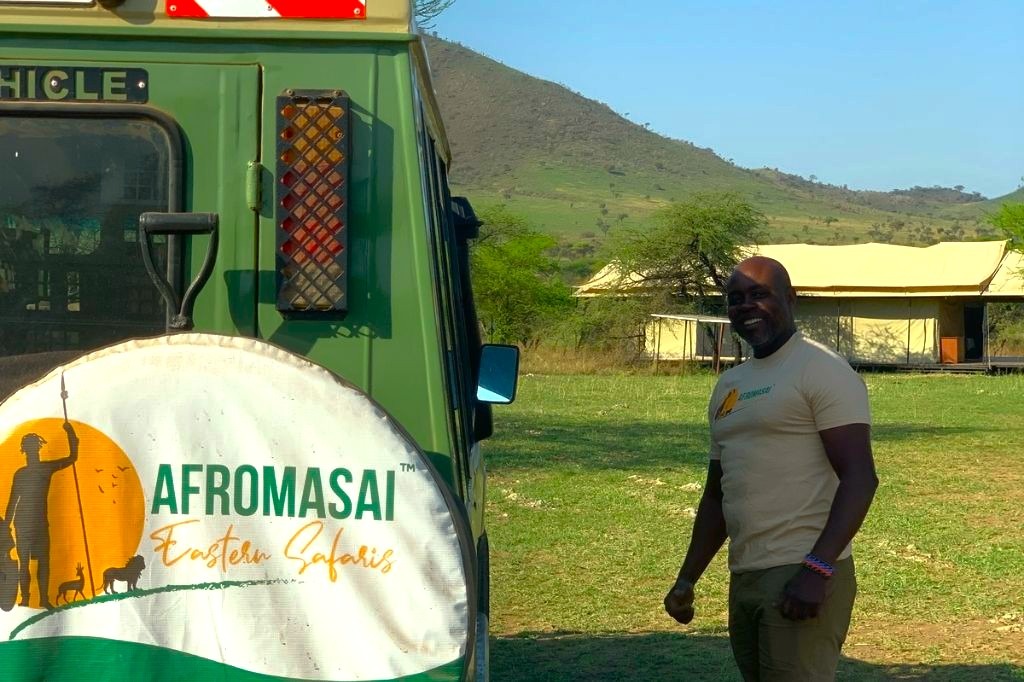
At Afromasai Eastern Safaris, we are a locally owned safari company based in Arusha, Tanzania. We help travellers plan tailor-made and scheduled safaris, from exploring the northern circuit to arranging a relaxing beach stay in Zanzibar.
Whether you have one week or two, we can help you choose suitable parks, accommodation and travel connections based on your interests, dates and budget.
You might dream of watching lions in the Serengeti, seeing elephants in Tarangire, exploring the Ngorongoro Crater or ending your trip beside the Indian Ocean. The best itinerary is the one that gives you time to enjoy the places you have come to see.
Ready to plan your Tanzania safari and Zanzibar holiday?
Contact Afromasai Eastern Safaris and tell us:
- Your preferred travel dates.
- How many people are travelling.
- How many days you have available.
- Your preferred accommodation standard.
- The wildlife experiences and Zanzibar activities that interest you most.
We will help you put together a safari and beach itinerary that suits your plans.
Afromasai Eastern Safaris
Locally Owned. Globally Trusted.
Arusha, Tanzania
Website: afromasaieasternsafaris.com
Call or WhatsApp: +255 743 542 848
Email: info@afromasaieasternsafaris.com
Frequently Asked Questions
Can I visit Tanzania on safari and Zanzibar in one trip?
Yes. Many travellers combine a mainland safari with a Zanzibar beach stay. Domestic flights connect Zanzibar with airports on the mainland, although the best connection depends on your route and travel dates.
How many days should I spend on safari before going to Zanzibar?
For a first visit, three to six safari days can be a useful starting point, depending on the parks you want to visit. If you want to explore the Serengeti properly, allow enough time to account for the longer drives involved.
Is seven days enough for Tanzania safari and Zanzibar?
Seven days can work if you keep the itinerary focused. For example, you could spend around three days on safari and four days in Zanzibar. You will need to account for travel connections, and a longer holiday allows more time to explore without rushing.
Which is better to visit first, Tanzania or Zanzibar?
Many travellers choose to safari first and relax in Zanzibar afterwards. This allows you to finish the trip with a slower pace after several days of early starts. However, the best order depends on your international flights, domestic connections and personal preferences.
Is Zanzibar worth visiting after a safari?
For travellers who enjoy beaches, culture and ocean activities, Zanzibar is an excellent addition. It offers a different experience from the mainland parks and gives you time to relax after your safari.
Can I see the Big Five in Tanzania?
Tanzania is home to the Big Five: lion, leopard, elephant, buffalo and rhinoceros. Seeing all five during one trip is possible, but it is never guaranteed. Your chances depend on the parks you visit, the length of your safari and wildlife conditions.
When should I book a Tanzania safari and Zanzibar holiday?
Booking several months in advance is sensible if you plan to travel during a popular period, want specific lodges or hope to stay in a particular Serengeti area during the Great Migration. Earlier planning gives you more choice, although suitable options may still be available closer to departure depending on the dates.