How Many National Parks Are There in Kenya? A Complete Guide to Kenya’s Wildlife, Parks and Safari Destinations

Kenya is one of Africa’s most recognised safari destinations, known for its remarkable wildlife, open savannahs, dramatic mountain landscapes and rich cultural heritage. For many travellers, Kenya is where the dream of an African safari begins. It is a country where elephants walk beneath the snow-capped summit of Mount Kilimanjaro, lions rest in golden grasslands and millions of wildebeest move across the plains in search of fresh grazing.
But beyond the famous images of the Maasai Mara, Kenya has an extensive network of national parks, national reserves, marine parks and community conservancies, each protecting a different part of the country’s natural heritage.
So, how many national parks are there in Kenya?
According to the Wildlife Research and Training Institute, Kenya has 23 terrestrial national parks and four marine national parks. The country also has numerous national reserves and community conservancies, offering visitors an impressive variety of wildlife and nature experiences.
Whether you are interested in seeing the Big Five, witnessing the Great Wildebeest Migration, photographing elephants against Mount Kilimanjaro or exploring the remote wilderness of northern Kenya, there is a destination suited to your interests.
Let’s explore what makes Kenya such an exceptional safari destination.
1. Understanding Kenya’s National Parks and Wildlife Reserves
Before planning a safari, it is useful to understand that Kenya’s wildlife areas are not all classified in the same way.
The country has several categories of protected areas, with each playing an important role in wildlife conservation and tourism.
National Parks
National parks are protected areas established to conserve wildlife, natural habitats and important ecosystems. They are managed by the Kenya Wildlife Service (KWS).
Some of Kenya’s best-known national parks include:
- Amboseli National Park
- Tsavo East National Park
- Tsavo West National Park
- Lake Nakuru National Park
- Nairobi National Park
- Mount Kenya National Park
- Aberdare National Park
National Reserves
National reserves are also important wildlife conservation areas, but their management arrangements and permitted community activities may differ from those of national parks.
One important example is the world-famous Maasai Mara National Reserve.
Although many international travellers casually refer to the Maasai Mara as a national park, its official classification is a national reserve.
Other notable reserves include Samburu, Buffalo Springs and Shaba.
Community and Private Conservancies
Kenya also has community-managed and privately managed conservancies. These areas play an increasingly important role in protecting wildlife corridors, supporting local livelihoods and providing additional safari experiences.
Examples include Ol Pejeta, Lewa Wildlife Conservancy and the Mara conservancies.
Together, these protected areas make Kenya much more than a destination for traditional game drives.
2. Kenya’s Most Famous National Parks and What Makes Them Special
Not every Kenyan national park offers the same experience. Some are known for large elephant herds, others for rhinos, rare wildlife species, beautiful landscapes or birdlife.
Here are some of the destinations worth considering when planning a Kenyan safari.
Amboseli National Park – Elephants Beneath Mount Kilimanjaro


Located in southern Kenya, close to the Tanzania border, Amboseli is particularly famous for its large elephant herds and spectacular views of Mount Kilimanjaro.
The park offers one of the most recognisable safari landscapes in East Africa. On clear mornings, elephants can be photographed walking across open plains with Africa’s highest mountain rising in the background.
Amboseli is also home to lions, cheetahs, spotted hyenas, giraffes, zebras, buffaloes and numerous bird species.
Its wetlands and permanent swamps provide important water sources for wildlife, especially during the dry season.
What makes Amboseli special?
- Excellent opportunities to observe elephants.
- Beautiful views of Mount Kilimanjaro.
- Excellent photography opportunities.
- Diverse birdlife and wetland habitats.
- Opportunities to learn about Maasai culture and traditional pastoral life.
Tsavo East National Park – The Theatre of the Wild


Tsavo East is one of Kenya’s largest national parks and forms part of the extensive Tsavo ecosystem.
The park is famous for its open landscapes, red-dust elephants and impressive wildlife populations. Elephants often appear reddish because they cover their bodies with the park’s distinctive red soil.
The Galana River is an important feature of the park, attracting wildlife throughout the year.
Visitors may encounter elephants, lions, buffaloes, giraffes, zebras, lesser kudu and numerous bird species.
What makes Tsavo East special?
- Vast wilderness landscapes.
- Famous red elephants.
- Galana River and Lugard Falls.
- Excellent opportunities for wildlife photography.
- A quieter wilderness atmosphere in some areas.
Tsavo West National Park – Landscapes, Lava and Natural Springs


While Tsavo East is known for its expansive open plains, Tsavo West offers a different landscape, characterised by volcanic hills, rocky outcrops, bushland and natural springs.
One of its most interesting attractions is Mzima Springs, where millions of litres of clear water emerge from underground sources. The springs support hippos, crocodiles, fish and numerous bird species.
Another remarkable feature is the Shetani Lava Flow, a dramatic volcanic landscape that reminds visitors of the region’s geological history.
What makes Tsavo West special?
- Mzima Springs.
- Shetani Lava Flow.
- Volcanic scenery and rocky landscapes.
- Elephants, lions, leopards and other wildlife.
- Beautiful combinations of wildlife and geological attractions.
Lake Nakuru National Park – Rhinos and Beautiful Birdlife


Situated within Kenya’s Great Rift Valley, Lake Nakuru National Park is particularly popular with visitors interested in birdlife and endangered wildlife.
The alkaline lake has historically been famous for its large flamingo populations, although their numbers change depending on water levels and food availability.
The park is also an important sanctuary for both black and white rhinos.
Visitors may encounter Rothschild’s giraffes, buffaloes, zebras, lions, leopards and several other species.
What makes Lake Nakuru special?
- Important black and white rhino sanctuary.
- Rothschild’s giraffes.
- Beautiful Rift Valley scenery.
- Excellent birdwatching opportunities.
- Forests, grasslands and lake ecosystems.
Nairobi National Park – A Wildlife Safari Beside a Capital City


Nairobi National Park offers an experience that is difficult to find anywhere else.
Located just outside Nairobi’s city centre, the park allows visitors to experience wildlife against the backdrop of a modern African capital.
Despite its proximity to the city, it protects an important wildlife habitat with lions, rhinos, giraffes, buffaloes, zebras and numerous bird species.
It is an excellent option for travellers with limited time in Nairobi or those looking for a short safari before or after an international flight.
What makes Nairobi National Park special?
- Wildlife viewing close to a major city.
- Important black rhino conservation area.
- Excellent short safari opportunities.
- Convenient for travellers connecting through Nairobi.
3. Kenya’s Famous National Reserves
While national parks receive considerable attention, some of Kenya’s most remarkable wildlife experiences take place in its national reserves.
The following destinations deserve special attention.
Maasai Mara National Reserve – Home of the Great Wildebeest Migration


The Maasai Mara is arguably Kenya’s most internationally recognised safari destination.
Located in southwestern Kenya, along the Tanzania border, the reserve forms part of the greater Mara-Serengeti ecosystem, which extends across Kenya and northern Tanzania.
Its open grasslands support impressive concentrations of wildlife, including lions, elephants, leopards, cheetahs, buffaloes, giraffes and many other species.
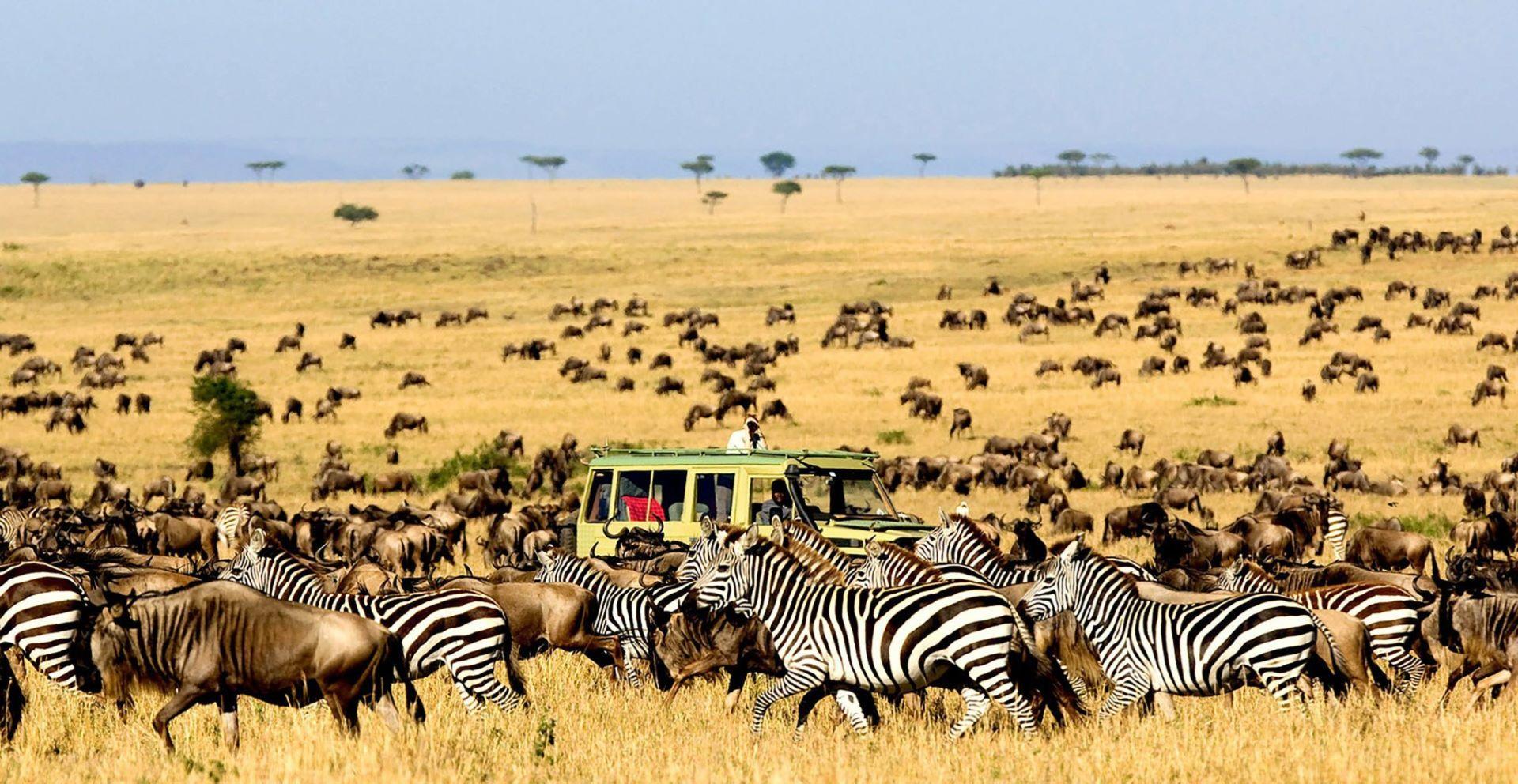
The reserve is particularly famous for the Great Wildebeest Migration, when enormous herds of wildebeest and zebras move between the Serengeti and Maasai Mara in search of fresh grazing.
Between approximately July and October, the migration often brings large herds into the Mara, although the timing depends on rainfall and grazing conditions. River crossings can occur during this period but are never guaranteed on a particular day.
What makes the Maasai Mara special?
- Great Wildebeest Migration.
- Excellent opportunities to see big cats.
- Large concentrations of plains wildlife.
- Beautiful open savannah landscapes.
- Opportunities to experience Maasai culture.
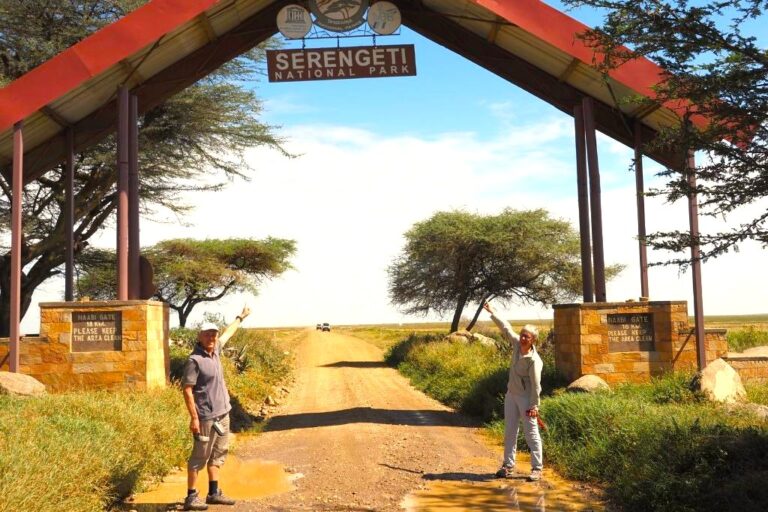
For travellers visiting both Kenya and Tanzania, combining the Maasai Mara with Serengeti National Park creates an opportunity to explore two parts of the same extraordinary ecosystem.
Samburu National Reserve – Discover Northern Kenya’s Special Wildlife


7
Located in northern Kenya, Samburu offers a very different safari experience from the southern savannah parks.
The reserve is characterised by semi-arid landscapes, rugged hills and the Ewaso Ng’iro River, which provides an important water source for wildlife.
Samburu is particularly famous for the animals often referred to as the Samburu Special Five:
- Grevy’s zebra.
- Reticulated giraffe.
- Gerenuk.
- Beisa oryx.
- Somali ostrich.
These species are particularly well adapted to the dry environments of northern Kenya.
Visitors can also encounter elephants, lions, leopards and numerous bird species.
Samburu is an excellent destination for travellers who want to explore beyond Kenya’s traditional southern safari circuit.
Buffalo Springs and Shaba National Reserves
Located within the wider Samburu ecosystem, Buffalo Springs and Shaba offer additional opportunities to explore northern Kenya’s wilderness.
Their landscapes include dry bushland, riverine vegetation, rocky terrain and important wildlife habitats.
Together, these reserves offer a more varied northern Kenya safari, particularly for visitors interested in photography, birdwatching and less familiar wildlife destinations.
4. What Wildlife Can You See on a Kenya Safari?


Kenya is home to an extraordinary range of wildlife species, making it one of the most rewarding destinations for wildlife enthusiasts.
Many visitors arrive hoping to see the famous Big Five:
- Lion: Known for its social behaviour and role as one of Africa’s principal predators.
- Leopard: A secretive and powerful big cat, often found resting in trees or moving through thick vegetation.
- African Elephant: The largest land mammal, commonly encountered in destinations such as Amboseli and Tsavo.
- African Buffalo: A powerful herbivore frequently seen in large herds.
- Rhinoceros: Both black and white rhinos can be found in selected protected areas, including Lake Nakuru and Ol Pejeta.
Beyond the Big Five, Kenya offers opportunities to see cheetahs, giraffes, zebras, wildebeest, hippos, crocodiles, hyenas, gazelles and hundreds of bird species.
Wildlife sightings are never guaranteed, but choosing the right destinations and allowing sufficient time in the parks can greatly improve your opportunities.
5. When Is the Best Time to Visit Kenya for a Safari?


Kenya can be visited throughout the year, although different seasons offer different wildlife and photography opportunities.
Understanding the seasons helps you choose the right time for your safari.
January to March – Warm and Generally Dry
These months are generally favourable for wildlife viewing in many Kenyan parks.
Vegetation is often less dense, making it easier to spot animals, while the weather is usually warm.
April to May – Long Rainy Season
These months receive heavier rainfall in many parts of Kenya.
The landscapes become greener, and birdwatching can be particularly rewarding. Some remote roads may become difficult to navigate.
Travellers looking for quieter parks and potentially attractive accommodation offers may also consider this period.
June to October – Main Dry Season
This is one of the most popular periods for a Kenya safari.
Wildlife often gathers around permanent water sources, making animal sightings rewarding.
It is also the main period associated with the wildebeest migration in the Maasai Mara, although arrival and river-crossing dates vary each year.
November to December – Short Rainy Season
The short rains usually bring fresh vegetation and beautiful scenery.
This period can offer rewarding photography conditions, good birdwatching and opportunities to enjoy Kenya’s wildlife destinations outside the busiest travel months.
6. Kenya and Tanzania – Two Countries, One Extraordinary Safari Experience


For travellers with enough time, combining Kenya and Tanzania creates one of the most rewarding safari journeys in East Africa.
Although the two countries share many wildlife species and similar ecosystems, each offers distinct landscapes, conservation areas and safari experiences.
Tanzania is famous for destinations such as Serengeti National Park, Ngorongoro Crater, Tarangire National Park and Lake Manyara.
Kenya offers the Maasai Mara, Amboseli, Tsavo, Samburu and many other wildlife destinations.
The Serengeti and Maasai Mara are particularly interesting because they form part of one larger ecosystem. The wildebeest and zebra migration moves across these landscapes according to seasonal rainfall and the availability of grazing.
A combined safari can include:
- Tarangire National Park in Tanzania.
- Serengeti National Park.
- Ngorongoro Crater.
- Maasai Mara National Reserve.
- Nairobi, Kenya.
For travellers starting in Tanzania, it is also possible to arrange a safari that finishes in Kenya, depending on the itinerary, border arrangements and onward travel plans.
At Afromasai Eastern Safaris, we help travellers explore these possibilities through tailor-made East African safari arrangements.
7. Is Kenya Suitable for First-Time African Safari Travellers?
Absolutely. Kenya offers a wide range of safari experiences suitable for first-time visitors, experienced wildlife photographers, couples, families and older travellers.
The key is choosing an itinerary that matches your interests, travel time and budget.
For example:
- First-time safari travellers: Maasai Mara is an excellent introduction to Kenya’s wildlife.
- Elephant lovers: Amboseli and Tsavo offer excellent opportunities to observe elephants.
- Wildlife photographers: Maasai Mara, Samburu and Amboseli offer varied photographic opportunities.
- Birdwatchers: Lake Nakuru, Samburu and several Rift Valley lakes are worth considering.
- Travellers interested in culture: Maasai community visits and northern Kenya cultural experiences can add another dimension to the journey.
- Travellers with limited time: Nairobi National Park provides an opportunity for a short wildlife experience.
A good safari should not simply involve visiting as many parks as possible. It should allow enough time to appreciate each destination without spending most of your holiday travelling between locations.
8. Plan Your Kenya Safari with Afromasai Eastern Safaris


At Afromasai Eastern Safaris, we believe that a rewarding safari begins with understanding what you want from your journey.
Whether you are dreaming of watching lions in the Maasai Mara, photographing elephants in Amboseli or exploring the remote landscapes of Samburu, our team can help you put together a safari that suits your interests, travel dates and budget.
We organise private and tailor-made safari experiences, with carefully selected accommodation, experienced driver-guides and comfortable 4×4 safari vehicles.
For travellers combining Kenya and Tanzania, we can also help coordinate cross-border safari arrangements, allowing you to discover more of East Africa in one journey.
Our approach is simple: locally organised travel, personal attention and practical knowledge of the destinations we recommend.
Your African safari should be more than a collection of destinations. It should be a journey that gives you time to understand the landscapes, wildlife and people that make East Africa special.
Ready to discover Kenya?
Explore our Kenya safari packages or contact our Arusha-based team to start planning your journey.
Afromasai Eastern Safaris
Locally Owned. Globally Trusted.
Website: Afromasai Eastern Safaris